DTF transfers have revolutionized the custom printing industry, offering a versatile and cost-effective way to create vibrant designs on various fabrics. Whether you're a small business owner, a hobbyist, or a large-scale manufacturer, understanding this technology can open new doors. In this guide, we'll dive deep into everything you need to know about DTF transfers, from the basics to advanced techniques, ensuring you get the most out of your printing projects.
What Are DTF Transfers?
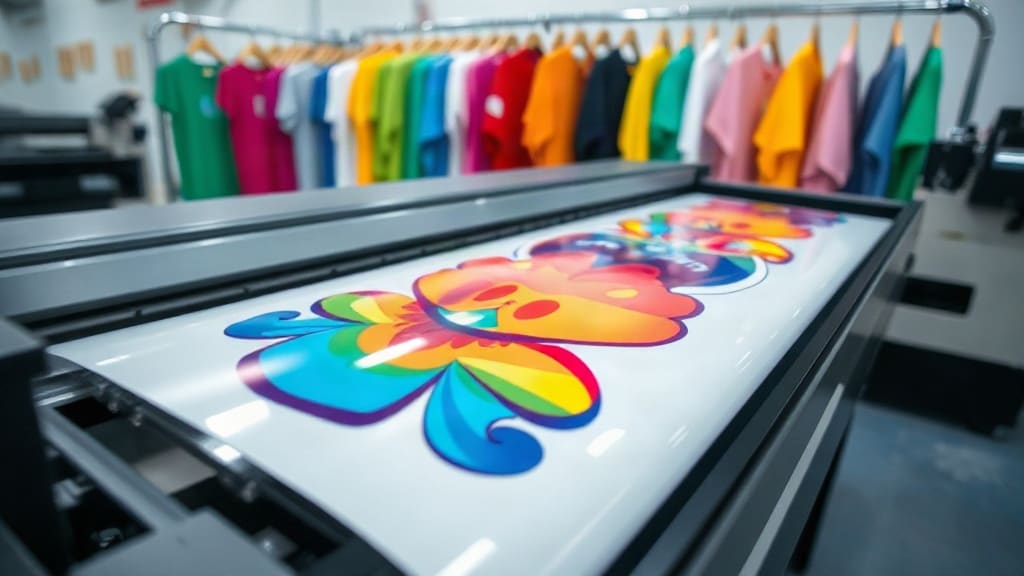
DTF stands for Direct to Film. It is a printing method where a design is printed onto a special film using a DTF printer, then transferred onto a substrate (usually fabric) using a heat press. Unlike other methods like screen printing or heat transfer vinyl, DTF offers high detail, vibrant colors, and durability. The process involves printing with specialized inks, applying an adhesive powder, and then curing it to create a peelable transfer.
How Does DTF Printing Work?
The DTF process is straightforward but requires precision. Here’s a step-by-step breakdown:
- Design Creation: You start with a digital design, which can be a logo, graphic, or text. Ensure it's high resolution for crisp results.
- Printing: The design is printed onto a PET film using a DTF printer. The printer uses CMYK+White inks to ensure colors pop, especially on dark garments.
- Adhesive Powder Application: While the ink is still wet, a hot-melt adhesive powder is applied to the printed side. This powder is what allows the transfer to bond with the fabric.
- Curing: The film is passed through a heat source (like a curing oven or heat press) to melt the powder, creating a tacky surface.
- Transfer: You place the film on the garment with the design facing down and apply heat and pressure using a heat press. After a few seconds, you peel the film away, leaving the design permanently adhered.
- Post-Cure (Optional): Some prefer to post-cure the garment to enhance durability, especially for frequent washing.
Benefits of DTF Transfers
DTF transfers have gained popularity due to numerous advantages:
- Versatility: Works on cotton, polyester, blends, and even leather or denim. It can be used on various items like t-shirts, hoodies, bags, and more.
- Vivid Colors: The white ink layer allows colors to stay true even on dark fabrics, a common challenge with other methods.
- Soft Hand Feel: The transfer results in a soft, flexible print that doesn't crack or peel easily, maintaining garment comfort.
- Durability: DTF prints are known for their resistance to washing and stretching, making them ideal for apparel.
- Cost-Effective for Small Runs: Unlike screen printing, which has high setup costs, DTF is economical for short production runs.
- Ease of Use: The process is simpler than traditional methods, requiring less skill and equipment.
DTF Transfers vs. Other Methods
Choosing the right printing method depends on your needs. Here’s how DTF compares to alternatives:
DTF Transfers vs. Screen Printing
Screen printing is excellent for large orders but requires screens and significant setup. DTF is better for small to medium runs, offers more color flexibility, and doesn't require a separate screen per color.
DTF Transfers vs. Heat Transfer Vinyl (HTV)
HTV involves cutting vinyl and pressing it. It's limited to solid colors and intricate designs are hard. DTF allows full-color prints with gradients and details, and it's faster for multi-colored designs.
DTF Transfers vs. Sublimation
Sublimation works only on polyester or light-colored garments, while DTF works on any fabric and color. Sublimation infuses dye into the fabric, but DTF sits on top, offering more versatility.
Essential Equipment for DTF Transfers
To start with DTF, you need the right tools. Here’s a list:
- DTF Printer: A printer specifically designed for DTF inks, usually with a white ink circulation system to prevent clogging.
- DTF Inks: CMYK and white ink. Ensure you use compatible inks for your printer.
- PET Film: High-quality film that can withstand heat and doesn't warp.
- Adhesive Powder: A hot-melt powder that acts as the bonding agent.
- Heat Press: A clamshell or swing-away press that can reach at least 160°C (320°F).
- Shaker or Powder Applicator: To apply powder evenly.
- Curing Oven or Heat Tunnel: Optional but recommended for consistent curing.
Tips for Perfect DTF Transfers
To achieve professional results, keep these tips in mind:
- Use High-Quality Files: Always use vector or high-resolution (300 DPI) images to avoid pixelation.
- Calibrate Your Colors: Regularly check color profiles to ensure your prints match your design.
- Maintain Your Printer: Clean the printhead frequently and use the printer regularly to prevent ink settling.
- Test on Scrap Fabric: Before a big run, test a sample to adjust pressure, time, and temperature.
- Handle Film Carefully: Dust or fingerprints can affect adhesion, so keep the film clean.
- Press with Even Pressure: Ensure the heat press applies consistent pressure to avoid incomplete transfers.
- Let It Cool: After pressing, allow the garment to cool before peeling to ensure the adhesive sets properly.
Common Mistakes to Avoid
Even experienced users make mistakes. Here are pitfalls to watch out for:
- Ignoring White Ink: The white underbase is crucial for dark garments; if it's too thin, colors will appear faded.
- Overcuring: Excessive heat can cause the adhesive to lose its tackiness, resulting in poor adhesion.
- Using Low-Quality Film: Cheap film can curl or melt, ruining your transfer.
- Inadequate Powder Coverage: If powder is too sparse, the transfer won't stick; too much can cause a rough texture.
- Not Pre-Heating Garments: Pre-pressing removes moisture and wrinkles, ensuring better bonding.
Applications and Creative Ideas
DTF transfers are incredibly versatile. Here are some ideas to inspire you:
- Custom Apparel: Create personalized t-shirts, hoodies, and caps for events or businesses.
- Promotional Products: Use DTF to brand tote bags, aprons, and other promotional items.
- Sports Uniforms: Durable enough for activewear, perfect for team jerseys.
- Home Décor: Transfer designs onto throw pillows, blankets, or cushion covers.
- Accessories: Make custom phone cases, mousepads, or even shoes with DTF transfers.
- Art Prints: Reproduce your artwork on fabric for unique, sellable pieces.
Frequently Asked Questions
How long do DTF transfers last?
With proper application and care, DTF transfers can last for many washes. They are designed to withstand normal wear and tear, but we recommend washing garments inside out in cold water and avoiding harsh chemicals to maximize longevity.
Can DTF transfers be used on light-colored fabrics?
Yes, absolutely. DTF transfers work well on both light and dark fabrics. For light fabrics, you can omit the white underbase, which saves time and ink, but it's not necessary to do so. The white layer ensures colors remain vibrant on any color.
What is the difference between DTF and DTG (Direct to Garment)?
DTG prints directly onto the garment using a specialized printer, similar to inkjet. DTG is great for detailed designs on cotton but not suitable for polyester. DTF prints on film first, making it more versatile for different fabrics. DTF also tends to have a softer hand feel and is more durable.
Do I need a special printer for DTF?
Yes, you need a printer that can handle DTF inks, especially white ink, which is thicker and can clog regular printheads. Many desktop Epson or Ricoh printers can be converted for DTF use with the right inks and a white ink circulation system.
Can I use DTF transfers on non-fabric surfaces?
While DTF is primarily designed for fabrics, you can experiment with other surfaces like wood, ceramics, or metal as long as they can withstand heat. However, the adhesion might not be as strong, so it's best to test first.