
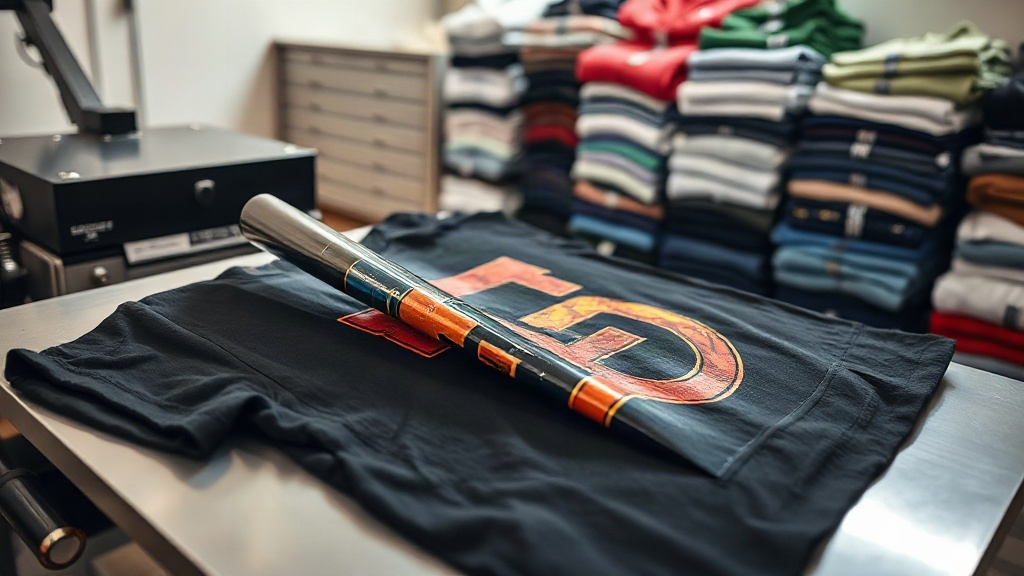
Custom apparel printing has evolved dramatically over the past decade, and DTF transfers have emerged as a game-changer for both hobbyists and professional print shops. Unlike traditional methods that require weeding or specialized equipment, DTF transfers offer a streamlined workflow with stunning, full-color results. But to truly maximize quality and durability, the choice of garment matters just as much as the printing technique. In this guide, we will explore how pairing DTF transfers with two popular blank brands, Shaka Wear and Smart Blanks, can elevate your custom apparel projects. Whether you are printing for a small business, a sports team, or a personal project, understanding the synergy between transfer films and fabric types is key to achieving professional-grade results.
What Are DTF Transfers and Why They Dominate the Market
DTF transfers, or Direct-to-Film transfers, are printed onto a special PET film using water-based pigment inks. The design is then coated with a hot-melt adhesive powder, cured, and later heat-pressed onto a garment. This process allows for intricate details, gradients, and photorealistic images without the color limitations of vinyl or the setup costs of screen printing. The versatility of DTF transfers means you can apply them to a wide range of fabrics, including cotton, polyester, and blends. This makes them ideal for garments like Shaka Wear tees and Smart Blanks hoodies, which cater to different fabric preferences. The market has shifted toward DTF because it eliminates the need for color separation and allows for small-batch production with quick turnaround. As a result, more printers are adopting this technology to meet the growing demand for personalized apparel.
Why Shaka Wear and Smart Blanks Are Ideal for DTF Transfers
Not all blank garments are created equal. The fabric composition, weave, and finish can significantly affect how well a DTF transfer adheres and how long it lasts. Shaka Wear is renowned for its heavyweight cotton tees, known for a relaxed, streetwear-inspired fit. Their 100% cotton fabric provides an excellent surface for DTF transfers, allowing the adhesive to bond deeply into the fibers. On the other hand, Smart Blanks offers a diverse range of apparel, including poly-cotton blends and 100% polyester performance wear. These garments are designed for comfort and durability, and when paired with DTF transfers, they yield vibrant prints that withstand repeated washing. The key is to match the transfer settings to the fabric type. For example, Shaka Wear cotton tees may require slightly higher pressure and temperature compared to Smart Blanks polyester items, which can be more sensitive to heat. By understanding these nuances, you can achieve consistent, professional results across both brands.
Choosing the Right DTF Transfer Film for Your Garment
The quality of your DTF transfer film plays a critical role in the final outcome. There are two main types: hot peel and cold peel. Hot peel films allow you to remove the carrier sheet immediately after pressing while the transfer is still hot, which speeds up production. Cold peel films require the transfer to cool completely before peeling, often resulting in a smoother finish. For Shaka Wear and Smart Blanks, both types can work, but hot peel is generally more efficient for high-volume shops. Additionally, consider the film's thickness and ink absorption. A high-quality film will release the design cleanly and prevent ink from smearing. Always test a small sample before running a full batch to ensure compatibility with your specific garment.
Step-by-Step DTF Transfer Application on Shaka Wear and Smart Blanks
Applying DTF transfers is straightforward, but following a precise process ensures durability and vibrant colors. Here is a step-by-step guide tailored for Shaka Wear and Smart Blanks garments:
- Prepress the garment: This removes moisture and wrinkles. Set your heat press to 300-320°F (150-160°C) and press for 5-10 seconds. For Shaka Wear heavyweight cotton, use a slightly higher temperature (320°F) to ensure a dry surface.
- Position the transfer: Place the DTF transfer face down on the garment. Use heat-resistant tape if needed to keep it in place.
- Press the transfer: Apply medium to heavy pressure (40-60 PSI) for 10-15 seconds. For Smart Blanks polyester blends, reduce temperature to 300°F to avoid scorching.
- Peel the film: If using hot peel, remove the film immediately in a smooth, continuous motion. For cold peel, wait until it cools completely.
- Post-press (optional): For added durability, cover the design with parchment paper and press again for 5-10 seconds. This helps the adhesive fully cure.
Following these steps will yield a soft, stretchable print that moves with the fabric. Remember that Shaka Wear tees tend to have a tighter knit, so pressure should be even to avoid uneven adhesion. Smart Blanks hoodies, often with a fleece interior, may require a bit more pressure to penetrate the fabric surface.
Common Challenges and How to Overcome Them
Even with the best materials, issues can arise. One common problem is the transfer peeling after washing. This usually stems from insufficient pressure, incorrect temperature, or inadequate powder application. When working with Shaka Wear, ensure the fabric is completely flat and free of fabric softener, which can inhibit adhesion. For Smart Blanks, be mindful of polyester's heat sensitivity; overheating can cause the fabric to shrink or the transfer to distort. Another challenge is color vibrancy. DTF transfers on dark garments may require a white ink base, which is standard in most DTF printers. If colors appear dull, check your ink levels and curing process. Lastly, stretchy fabrics like spandex blends in some Smart Blanks styles can cause cracking if the transfer is too thick. Using a thinner film or reducing powder amount can mitigate this.
Maximizing Durability and Washability
To ensure your DTF transfers last, proper washing and care are essential. Instruct end-users to turn the garment inside out and wash in cold water on a gentle cycle. Avoid bleach and fabric softeners, which can degrade the adhesive. Tumble dry on low or hang dry. For Shaka Wear and Smart Blanks, these practices will extend the life of the print significantly. Additionally, consider the garment's weave: tighter weaves like those in Shaka Wear tees provide a more mechanical bond, while looser knits may require a slightly thicker adhesive layer. Testing washability with a sample before selling is always recommended.
Frequently Asked Questions
Can I use DTF transfers on Shaka Wear 100% cotton shirts?
Yes, DTF transfers work exceptionally well on Shaka Wear cotton shirts. The natural fibers allow for strong adhesion. Just ensure you prepress to remove moisture and use a temperature around 320°F with medium-heavy pressure.
What is the best heat press setting for Smart Blanks hoodies?
For Smart Blanks hoodies, especially those with polyester blends, set your heat press to 300°F and apply medium pressure for 12-15 seconds. Always check the garment's care label for specific temperature limits.
How do I prevent DTF transfers from cracking on stretchy fabrics?
To avoid cracking, use a high-quality DTF transfer film designed for stretch fabrics, reduce the amount of adhesive powder, and ensure the transfer is not over-pressed. Post-pressing with parchment paper can also help.
Do I need a special printer for DTF transfers?
Yes, DTF transfers require a dedicated DTF printer that uses pigment inks and a shaker machine for powder application. However, you can also purchase pre-printed transfers from suppliers and apply them with a standard heat press.
How long do DTF transfers last on Shaka Wear and Smart Blanks?
With proper application and care, DTF transfers can last 50+ washes. On Shaka Wear and Smart Blanks, durability is excellent if you follow correct washing instructions: cold water, inside out, no bleach.