You press a shirt, it looks perfect, and then three washes later the design is lifting at one corner or flaking off in tiny chips. Anyone who has run a heat press for more than a few weeks has a drawer full of these failures. The frustrating part is that the transfer sheet usually gets blamed first, when in reality most peeling, cracking, and fading problems come from a handful of controllable variables in the press room. This guide walks through the real causes behind stubborn failed prints and how to correct them without buying new equipment.
Start With the Fabric, Not the Transfer
Before you touch a temperature setting, check what you are pressing onto. dtf transfers bond through a thermoplastic adhesive powder that melts into the fabric fibers. That bond behaves very differently on cotton, polyester, and blends. A 100% cotton tee needs more heat and pressure than a polyester performance shirt, which can scorch or develop a shiny press mark if pushed too hard.
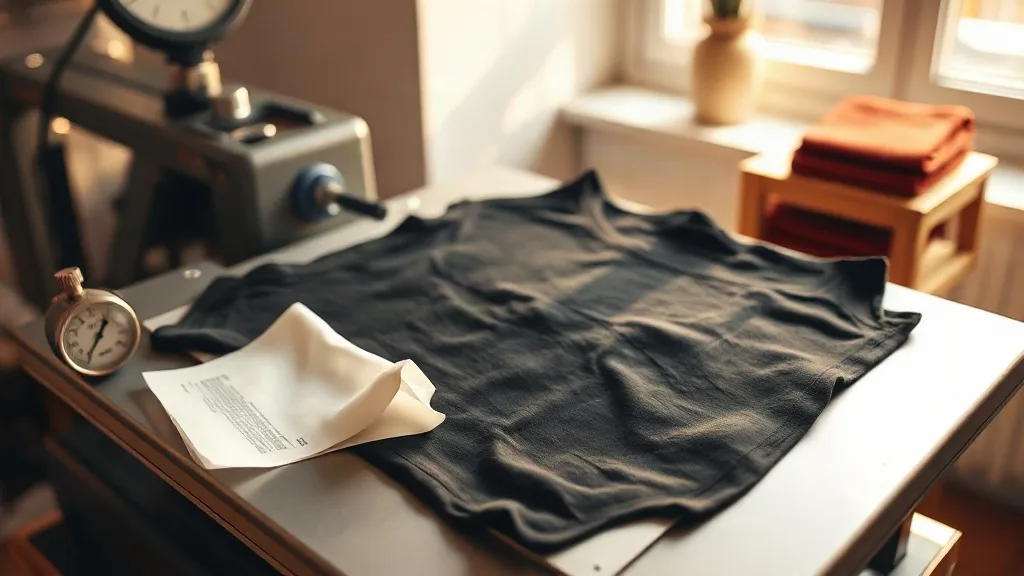
Water-repellent finishes, silicone softeners, and heavy fabric conditioners are silent killers here. They create a barrier the adhesive cannot grip. If a customer brings in a jacket that has been washed with softener for years, a quick pre-press with a pressing cloth to drive off moisture and surface oils makes a measurable difference. The same applies to brand-new garments that arrive with factory finishes. A five-second pre-press at application temperature is a habit worth building.
How to Read a Fabric Label Before Pressing
Look for three things: fiber content, any mention of stain or water resistance, and care instructions that hint at a coating. If the label says "moisture-wicking" or "wrinkle-free," treat the garment as a low-adhesion surface and test a small area first. Nylon and coated outdoor fabrics are the toughest cases and often need a lower temperature with longer dwell time rather than brute force.
The Pressure Problem Nobody Measures
Most failed dtf applications trace back to pressure, and almost nobody checks it. A press that feels firm can still be delivering uneven force across the platen. If one corner of a print lifts consistently, the platen is likely not level or the foam pad underneath has compressed unevenly over time.
You can diagnose this without a pressure gauge. Press a sheet of plain paper with a transfer-sized piece of cardstock on top, then inspect the impression. An even, consistent mark across the whole area means your pressure is balanced. If the mark is faint on one side, shim the low side or replace the pad. Medium pressure is usually the target for DTF, but consistency matters more than the exact number.
Peel Temperature Changes Everything
Cold peel versus hot peel is not a preference, it is a chemistry decision. Peel too early while the adhesive is still molten and you pull fibers and adhesive away from the garment. Wait too long and the film can bond to itself in ways that leave residue. Follow the transfer supplier's stated peel window, and if you are unsure, err on the side of letting the sheet cool for a few seconds before a smooth, steady pull at a low angle.
Cracking and Fading After Washing
A print that cracks along fold lines after a few washes is usually under-cured, not under-pressed. The adhesive powder needs enough sustained heat to fully melt and cross-link into the fabric. Short dwell times at high temperature can look fine on the surface while leaving the adhesive partially unmelted underneath.
Fading is a different animal. It typically points to washing machine abuse: hot water, harsh detergent, or a dryer running on high heat. Pigment in the ink layer is durable, but repeated thermal shock and mechanical agitation will wear any print down. Advise customers to wash inside out in cold water and tumble dry low. That single instruction prevents a large share of complaints.
- Wash inside out to protect the print surface from abrasion.
- Skip fabric softener, which coats fibers and weakens adhesion over time.
- Avoid bleach and high-heat drying cycles.
- Wait at least 24 hours after pressing before the first wash.
Why Some Prints Fail Only at the Edges
Edge lifting is the most common failure mode and the most misunderstood. The center of a design bonds well because heat and pressure are concentrated there. The edges sit at the boundary where the platen cools and where fabric tension is highest. Three fixes help: extend the transfer sheet slightly beyond the design so the carrier film absorbs the pressure edge, use a pressing pad that cushions the garment, and make sure the garment is completely flat with no seams under the print area.
Seams are a frequent culprit. Pressing across a side seam or collar creates a ridge that lifts the transfer at that line. Reposition the design or use a seam pillow to level the surface. This is basic stuff, but it solves a surprising number of "the transfer is defective" complaints.
Moisture and the Pre-Press Habit
Cotton holds ambient moisture, and that moisture turns to steam the moment the press closes. Steam trapped under the film prevents the adhesive from contacting the fabric. A thorough pre-press of 5 to 10 seconds removes it. On humid days or with garments stored in a cool room, extend that pre-press. It costs seconds and saves entire orders.
Building a Simple Quality Check Routine
Rather than chasing failures after they happen, build a short checklist you run on every new garment or transfer batch. Press one test piece, let it cool fully, then do a firm stretch test across the print. If it holds without lifting, you are good to go. Log the temperature, pressure feel, and dwell time for each fabric type you handle. After a month you will have a reference sheet that eliminates most guesswork.
When you source materials, keep a small batch of each new roll or pack aside and test it before committing to a production run. Suppliers do change formulations, and a transfer that worked flawlessly last season may behave differently in the next shipment. Testing early is far cheaper than reprinting a customer order.
When to Source Locally Instead of Waiting
Turnaround matters when a job is on deadline and your current stock is failing. Searching for dtf transfers near me is a practical move when you need to verify quality in person or restock quickly. Seeing and handling a sample before a large order tells you more about adhesive behavior than any spec sheet.
If local sourcing is not an option, order a small sample pack from any supplier and run the stretch test described above. Reliable vendors will not mind, and the ones that do are telling you something useful.
Frequently Asked Questions
Why does my DTF print peel off after the first wash?
It is almost always insufficient heat, pressure, or dwell time, or a fabric with a coating that blocks adhesion. Re-press a test piece at the correct settings and confirm the adhesive has fully melted before washing. Also check that the garment was dry and free of softener residue before pressing.
Can I fix a print that has already started to lift?
Sometimes. If the adhesive layer is still intact and the lift is minor, a careful re-press with a pressing cloth can re-bond it. If the print has cracked or the adhesive has transferred onto the fabric, the repair will not hold and the garment needs a fresh application.
Does fabric color affect DTF adhesion?
Not directly, but dark garments absorb more heat and may need slightly different settings than light ones. The bigger factor is fabric type and finish. Always test on the actual garment you plan to produce, not a scrap of similar-looking material.
How long should I wait before washing a DTF print?
Give it at least 24 hours. The adhesive continues to settle as it cools, and washing too soon stresses a bond that has not fully stabilized. Cold water and inside-out washing extend the life of the print considerably.
Why do prints crack along fold lines?
Cracking usually means the adhesive is under-cured, so it cannot flex with the fabric. Increase dwell time slightly and confirm your press reaches the target temperature across the whole platen. Very stretchy fabrics also need a transfer applied with enough pressure to follow the garment's movement.