
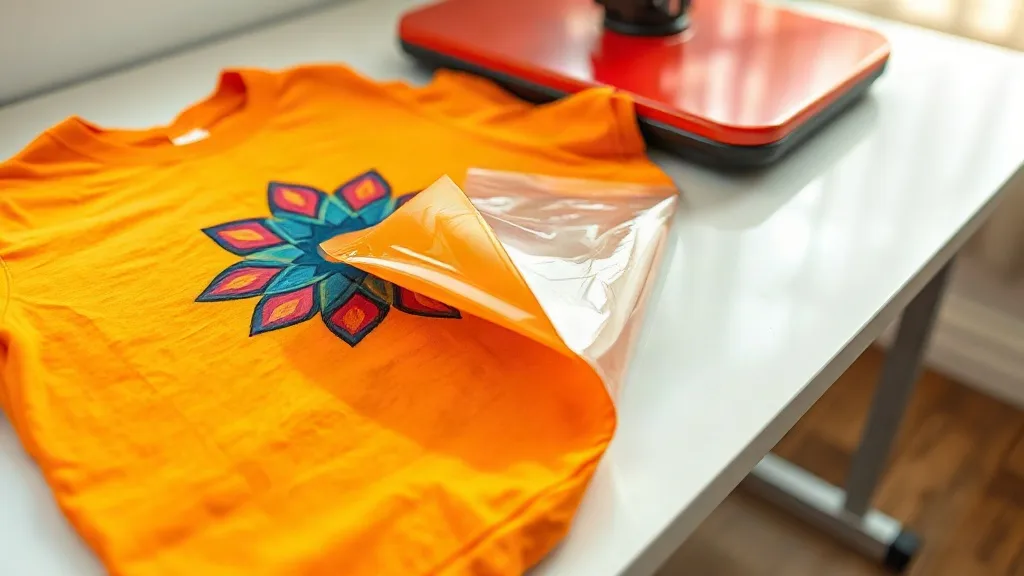
When you need a print that sticks to cotton, polyester, nylon, or even leather without cracking or fading, dtf transfers are the answer. Unlike vinyl or screen printing, DTF (direct-to-film) technology uses a special film and powder adhesive to bond vibrant designs to almost any fabric. In this guide, we'll walk through the entire DTF process, compare it to other methods, and show you how to achieve professional results with dtf transfers from DTF Print Smart.
What Are DTF Transfers?
DTF transfers are printed on a PET film using a specialized printer with pigment inks. After printing, a hot-melt adhesive powder is applied to the wet ink, and the film is cured. The resulting transfer can be stored and later applied to a garment with a heat press. The magic happens when heat and pressure release the design from the film and bond it permanently to the fabric. Because the adhesive works on both natural and synthetic fibers, DTF is incredibly versatile.
Why Choose DTF Over Other Printing Methods?
If you've tried screen printing on dark polyester or heat transfer vinyl on stretchy blends, you know the struggles: cracking, peeling, or a stiff feel. DTF solves these problems. Here's why it stands out:
- Works on almost any fabric: Cotton, polyester, blends, nylon, leather, and even treated wood.
- No color limitations: Unlike vinyl, you can print full-color photographs and gradients without layering.
- Soft hand feel: The print is thin and flexible, so it moves with the garment.
- Durability: When applied correctly, DTF prints survive dozens of washes without fading or cracking.
- Cost-effective for short runs: No screens or setup fees, making it ideal for small businesses and custom orders.
The DTF Printing Process Step by Step
Understanding the workflow helps you troubleshoot and get consistent results. Here's what happens from design to finished product.
1. Design Preparation
Start with a high-resolution image. DTF printers use CMYK plus white ink, so your design should be in RGB or CMYK mode. The white ink layer is crucial for opacity on dark garments. Most RIP software automatically generates the white underbase, but you may need to adjust the white density for different fabrics.
2. Printing
The printer lays down the color inks first, followed by a white ink layer. The film is coated with a release agent that allows the ink to transfer later. Print quality depends on the printer's resolution and the film's quality. DTF Print Smart offers films that hold fine details and vibrant colors.
3. Powder Application
While the ink is still wet, you apply a thermoplastic hot-melt powder. The powder sticks only to the printed areas. Excess powder is shaken off, and the film is then cured in an oven or with a heat press. This step is critical: under-curing leads to wash-off, over-curing causes the powder to melt into a solid sheet that won't transfer properly.
4. Curing
Curing melts the powder into a flexible adhesive layer. The recommended temperature is around 160°C (320°F) for 2-3 minutes in an oven, or 160°C for 10-15 seconds with a heat press. Always follow your powder's datasheet.
5. Transferring to the Garment
Pre-press the garment to remove moisture. Place the transfer on the fabric with the printed side up, cover with a Teflon sheet, and press at 160°C (320°F) for 10-15 seconds with medium pressure. Peel the film while it's still warm (warm peel) or after it cools (cold peel), depending on the film type. DTF Print Smart films are typically warm peel for best results.
Common Challenges and How to Overcome Them
Even with the right equipment, issues can arise. Here are solutions to frequent problems:
- Print cracking after wash: Usually caused by under-curing the powder or insufficient pressure during transfer. Increase curing time or pressure.
- Adhesive bleeding: Too much powder or uneven application. Use a powder shaker for even coverage.
- Dull colors: The white ink layer may be too thin, or the transfer was pressed at too high a temperature. Adjust white density and lower press temperature.
- Film not peeling: The transfer may be too hot or too cold. Experiment with warm peel vs. cold peel.
Applications of DTF Transfers
DTF is not just for t-shirts. Its versatility opens up many markets:
- Custom apparel: T-shirts, hoodies, leggings, and jackets with complex designs.
- Sportswear: Jerseys and activewear with names and numbers that stretch without cracking.
- Accessories: Tote bags, hats, and even shoes.
- Home decor: Personalized pillows and quilts.
Why Choose DTF Print Smart for Your DTF Transfers?
At DTF Print Smart, we specialize in high-quality DTF supplies and equipment. Our films are engineered for exceptional ink adhesion and vibrant color reproduction. We offer a range of powders optimized for different fabrics, and our printers are built for reliability. Whether you're a hobbyist or a commercial shop, we provide the tools and support to help you succeed. Our team has years of experience in garment decoration, so we understand the challenges you face. We're here to help you deliver outstanding products to your customers.
Frequently Asked Questions
How long do DTF transfers last?
With proper application and care, DTF transfers can last 50+ washes. The key is correct curing and pressing. Always follow the instructions for your specific film and powder.
Can I use DTF on 100% polyester?
Yes, DTF works beautifully on polyester. Unlike some other methods, it doesn't require a special polyester pretreatment. Just ensure the garment is clean and dry before pressing.
Do I need a special printer for DTF?
You need a DTF printer that uses pigment inks and has a white ink channel. Converted inkjet printers can work, but dedicated DTF printers offer better reliability and color consistency.
What is the difference between DTF and DTG?
DTG (direct-to-garment) prints directly onto the fabric, while DTF prints onto a film that is then transferred. DTF works on more fabric types and doesn't require pretreatment, but DTG can be more efficient for large runs on cotton.
How should I store unused DTF transfers?
Store them in a cool, dry place away from direct sunlight. Keep them flat to prevent curling. Properly stored transfers can last for months.