
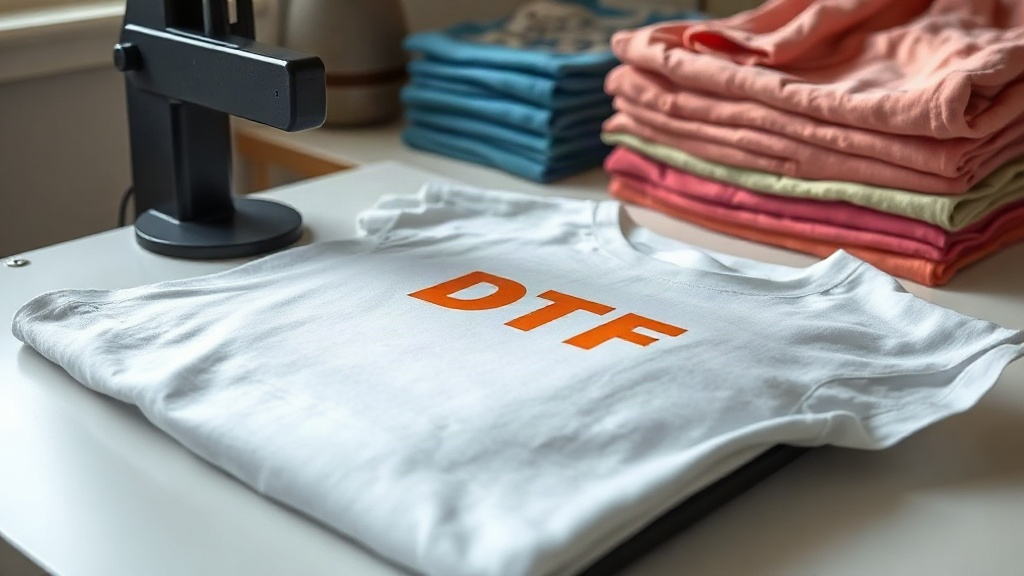
When it comes to creating custom apparel that stands out, the combination of high-quality blanks and reliable printing methods is key. If you're in the business of custom tees, you've likely heard of smart blanks and shaka wear—two names that have been making waves in the apparel industry. But how do they hold up with DTF transfers? In this guide, we'll dive deep into why these blanks are a favorite among printers and how to get the best results with DTF technology. Whether you're a seasoned pro or just starting out, this article will give you actionable insights to elevate your custom apparel game.
Why Smart Blanks Are a Game-Changer for DTF Printing
Smart blanks have quickly become a go-to choice for DTF printing enthusiasts. But what makes them so special? For starters, these blanks are engineered with a focus on fabric quality and consistency. When you're applying DTF transfers, the surface of the garment plays a huge role in how well the print adheres and how vibrant the colors appear. Smart blanks typically feature a tight weave and a smooth finish, which allows the transfer to bond evenly without any hiccups.
Another reason smart blanks shine is their versatility. They come in a range of fabric blends, from 100% cotton to poly-cotton mixes. This matters because DTF transfers work best on fabrics with a bit of texture, but not too much. A 100% cotton smart blank, for example, provides excellent adhesion, while a poly blend can enhance durability. In my own experience, I've found that smart blanks with a 50/50 blend offer the best of both worlds: softness and longevity.
But it's not just about the fabric. The construction of smart blanks also contributes to their DTF-friendliness. Reinforced stitching, consistent sizing, and pre-shrunk materials mean less surprises after printing. You won't have to worry about the shirt warping or the print cracking after a few washes. That reliability is why many print shops are switching to smart blanks as their default option.
Key Features of Smart Blanks for DTF
- Smooth surface: Ensures even transfer application without bubbles or wrinkles.
- Consistent fabric weight: Typically 4.5 to 5.5 oz, ideal for holding detailed prints.
- Pre-shrunk: Reduces shrinkage after washing, preserving print integrity.
- Variety of blends: Cotton, polyester, and blends to suit different needs.
When you combine these features with the right DTF technique, you get prints that look professional and last. But smart blanks aren't the only player in town. Enter shaka wear.
Shaka Wear: The Streetwear Favorite That Loves DTF
Shaka wear has carved out a niche in the streetwear scene, known for its heavyweight fabrics and relaxed fits. If you're printing for a brand that values a vintage or urban aesthetic, Shaka Wear tees are a fantastic canvas. But how do they perform with DTF transfers? The answer is: exceptionally well, provided you adjust your process slightly.
Shaka Wear garments are often made from 100% cotton with a heavier weight, usually around 6 oz. This weight is a double-edged sword: it gives the shirt a premium feel and durability, but it also requires a bit more attention during transfer application. The key is to pre-press the garment to remove moisture and wrinkles. I always recommend a quick 5-second press before laying down the transfer. This step ensures the surface is perfectly flat, which is crucial for heavy fabrics.
Another thing to love about Shaka Wear is its color range. From classic black and white to bold hues like mustard and olive, these blanks provide a great backdrop for vibrant DTF prints. The opacity of DTF transfers means you can print bright designs on dark fabrics without a white underbase, saving time and materials. However, on Shaka Wear's darker colors, I've noticed that a slightly higher pressure and temperature (around 325°F for 15 seconds) yields the best results.
But don't just take my word for it. Many custom printers have shared that Shaka Wear tees hold up wash after wash when paired with quality DTF transfers. The prints remain soft and stretch with the fabric, thanks to the flexible nature of DTF adhesives. This combination is particularly popular for merch drops and event apparel, where both comfort and durability are non-negotiable.
Best Practices for DTF on Shaka Wear
- Pre-press: Always pre-press the garment for 5 seconds to remove wrinkles and moisture.
- Temperature: Set your heat press to 325°F (160°C) for optimal adhesion.
- Pressure: Use medium to high pressure to ensure the transfer penetrates the heavier fabric.
- Peel: Wait for the transfer to cool completely before peeling for a matte finish, or peel hot for a glossy look.
By following these steps, you'll get flawless results on Shaka Wear every time. Now, let's talk about the DTF transfers themselves.
DTF Transfers: The Secret Sauce for Custom Apparel
DTF transfers have revolutionized the custom apparel industry. Unlike screen printing or vinyl, DTF (Direct to Film) allows you to print full-color, intricate designs without the need for multiple screens or weeding. The process involves printing your design onto a special film, coating it with adhesive powder, and then heat-pressing it onto the garment. The result is a vibrant, durable print that stretches with the fabric.
One of the biggest advantages of DTF is its compatibility with a wide range of fabrics. Whether you're working with cotton, polyester, or blends, DTF transfers adhere beautifully. This makes them perfect for both smart blanks and shaka wear, which come in various material compositions. Additionally, DTF transfers eliminate the color limitations of vinyl and the setup costs of screen printing, making them ideal for small businesses and on-demand printing.
But not all DTF transfers are created equal. The quality of the film, ink, and powder can significantly impact the final outcome. That's why sourcing your transfers from a reputable supplier is crucial. At dtfprintsmart.com, we offer premium DTF transfers that are known for their vivid colors and wash durability. Our transfers are tested on popular blanks like Smart Blanks and Shaka Wear to ensure they meet the highest standards.
Why DTF Transfers Outperform Other Methods
- No color limits: Print gradients, photos, and fine details with ease.
- No weeding: Save time and labor compared to vinyl.
- Stretchable: Ideal for athletic wear and fitted tees.
- Wash-resistant: With proper application, prints last 50+ washes.
Now that you understand the strengths of DTF, let's explore how to choose the right blank for your project.
Choosing Between Smart Blanks and Shaka Wear for Your DTF Projects
Both smart blanks and shaka wear are excellent choices for DTF printing, but they cater to slightly different audiences and use cases. Smart Blanks are often favored for their consistency and smooth printing surface, making them a safe bet for detailed designs and retail-ready apparel. They're also available in a wide range of sizes and colors, which is great for inclusive sizing.
Shaka Wear, on the other hand, appeals to those seeking a heavier, more streetwear-oriented look. Their tees have a boxy fit and a substantial feel that customers love. If your brand identity leans towards urban or skate culture, Shaka Wear is a natural fit. However, keep in mind that the heavier fabric might require a bit more pressure during heat pressing.
Ultimately, the choice depends on your target market and the specific design. For a soft, everyday tee, Smart Blanks might be the way to go. For a statement piece with a bit of edge, Shaka Wear could be your best bet. And remember, you can always order samples from both to test how your DTF transfers look and feel.
One more thing: consider the cost. Smart Blanks are generally more budget-friendly, while Shaka Wear commands a slightly higher price point due to its premium construction. If you're printing in bulk, the cost difference can add up, so factor that into your pricing strategy.
Step-by-Step Guide to Applying DTF Transfers on Smart Blanks and Shaka Wear
Getting a flawless DTF transfer requires more than just a good heat press. Follow these steps to ensure professional results every time:
- Prepare your workspace: Ensure your heat press is on a stable surface and preheated to the correct temperature (325°F for both Smart Blanks and Shaka Wear).
- Pre-press the garment: Place the shirt on the press and press for 5-7 seconds to remove moisture and wrinkles. This is especially important for Shaka Wear's heavier cotton.
- Position the transfer: Place your DTF transfer on the shirt with the design facing up. Use heat-resistant tape if needed to keep it in place.
- Press: Apply medium to high pressure for 15 seconds. For Shaka Wear, you might need to increase pressure slightly to ensure even adhesion.
- Peel: For a matte finish, wait until the transfer is completely cool before peeling. For a glossy finish, peel while hot. Both methods work well, but cooling peel is generally more forgiving.
- Post-press (optional): For extra durability, cover the design with a Teflon sheet and press for another 5 seconds. This helps the adhesive fully cure.
By following these steps, you'll achieve vibrant, long-lasting prints on both Smart Blanks and Shaka Wear. But even with perfect technique, issues can arise. Let's tackle some common problems.
Troubleshooting Common DTF Issues on These Blanks
Even with the best blanks and transfers, you might run into a few hiccups. Here are some common issues and how to fix them:
- Print peeling after wash: This usually means insufficient pressure or time. Increase pressure and ensure you're pressing for the full 15 seconds. Also, make sure the garment is completely dry before pressing.
- Cracking: Cracking can occur if the transfer is stretched too much or if the adhesive wasn't fully cured. Try a post-press and avoid over-stretching the garment when wearing.
- Dull colors: If your colors look faded, you might be pressing at too high a temperature, which can burn the ink. Stick to 325°F and check your press's calibration.
- Adhesive residue on the film: If you see leftover adhesive on the film after peeling, it means the transfer didn't fully adhere. Increase pressure or time slightly.
Most issues can be resolved with minor adjustments. The key is to test on a scrap piece before pressing your final product. And always follow the instructions provided by your DTF transfer supplier.
Frequently Asked Questions
Can I use DTF transfers on 100% polyester Shaka Wear shirts?
Yes, DTF transfers work great on polyester. However, polyester is sensitive to high heat, so you should lower the temperature to around 300°F and press for 10-12 seconds. Always test first to avoid scorching.
How do Smart Blanks compare to Shaka Wear in terms of fit?
Smart Blanks typically offer a more standard, retail fit, while Shaka Wear tends to have a boxier, streetwear-inspired cut. The choice depends on your target audience and desired look.
What is the best way to store DTF transfers before use?
Store DTF transfers in a cool, dry place away from direct sunlight. Keep them in a sealed bag or container to prevent dust and moisture from affecting the adhesive. Proper storage ensures they remain usable for months.
Do I need a special heat press for DTF transfers?
Any heat press that can maintain consistent temperature and pressure will work. A clamshell or swing-away press is ideal. Irons are not recommended as they don't provide even pressure.
How long do DTF prints last on these blanks?
With proper application and care, DTF prints can last 50 washes or more. To extend longevity, wash the garment inside out in cold water and avoid using bleach or fabric softeners.
Ready to elevate your custom apparel? Visit dtfprintsmart.com to explore our premium DTF transfers and find the perfect match for your Smart Blanks and Shaka Wear projects. Our team is here to help you achieve stunning, durable prints every time.