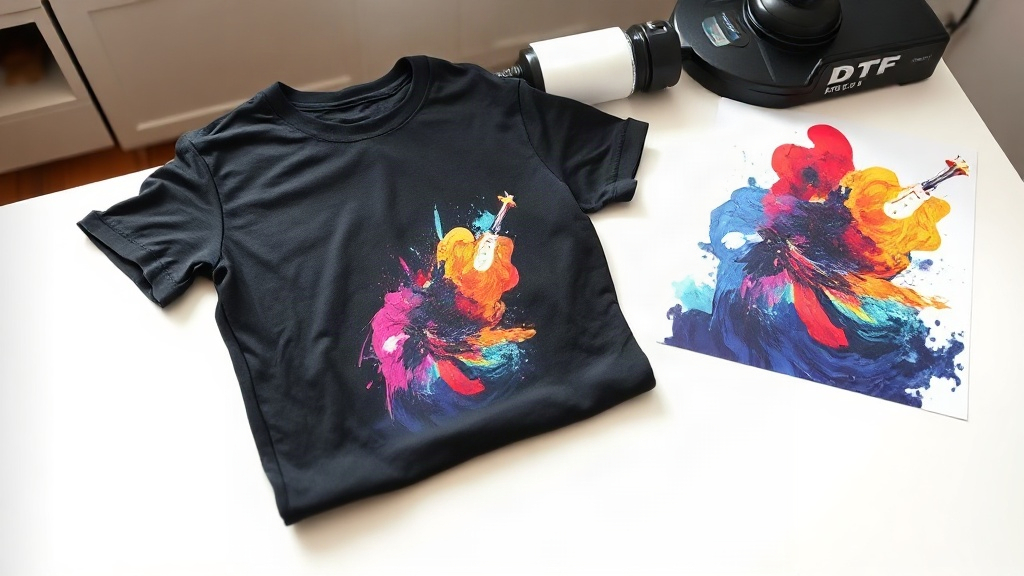
When you're creating custom apparel, the combination of the right blank and the right decoration method can make or break the final product. If you've been searching for a reliable way to produce vibrant, long-lasting prints without the hassle of screens or minimum orders, DTF transfers have likely caught your attention. But the substrate you choose matters just as much as the transfer itself. In this guide, we'll explore why smart blanks have become a go-to choice for crafters and small businesses, how Shaka Wear fits into the equation, and everything you need to know to get professional results with DTF transfers.
What Are Smart Blanks and Why Do They Matter?
The term smart blanks refers to garments that are engineered to work exceptionally well with modern decoration techniques, particularly heat-applied transfers like DTF. Unlike generic tees that may have inconsistent fabric blends or finishes that repel ink, smart blanks are designed with the printer in mind. They typically feature a tight, smooth weave that allows the transfer to adhere evenly, and they hold up wash after wash without excessive fading or cracking.
But what makes a blank truly "smart"? It's not just about the fabric. Smart blanks often undergo special pre-treatment or finishing processes that minimize shrinkage and improve color retention. They also tend to have a consistent thread count and a surface free of the irregularities that can cause a DTF transfer to look patchy. For anyone serious about producing retail-quality custom apparel, starting with a smart blank is non-negotiable.
Key Characteristics of Smart Blanks
- Consistent fabric weave: Ensures even adhesion and a smooth finish.
- Low shrinkage: Keeps the garment true to size after washing.
- Colorfast dyes: Prevents bleeding or fading that can dull the transfer.
- Compatibility with heat presses: Withstands the temperatures and pressures required for DTF application.
When you pair a smart blank with high-quality DTF transfers, you're setting yourself up for a finished product that looks and feels professional, whether you're selling online or supplying local teams and events.
Shaka Wear: A Blank That Performs
Among the many blank brands available, Shaka Wear has carved out a reputation for delivering heavyweight, durable garments that take decoration like a champ. Their tees are known for their thick cotton construction and relaxed fit, making them a favorite for streetwear and workwear-inspired designs. But how do they hold up with DTF transfers?
From our experience, Shaka Wear garments are an excellent match for DTF. The dense fabric provides a stable surface that prevents the transfer from sinking in or distorting. The cotton content is high, which means the adhesive in the DTF powder bonds well. However, there are a few nuances to keep in mind. Because Shaka Wear tees are heavier, they may require slightly longer pressing times to ensure the transfer fully cures. We recommend pre-pressing the garment for a few seconds to remove moisture, then applying the transfer at the manufacturer's recommended temperature (usually around 325°F) for 15-20 seconds with medium pressure.
Another advantage of Shaka Wear is their color range. From classic black and white to heathers and neons, you can find a shade that complements your design. And since DTF transfers can be applied to both light and dark fabrics without a separate white underbase, you have the freedom to experiment with bold graphics on any color.
Popular Shaka Wear Styles for DTF
- SHAKA Wear Heavyweight Tee: A 6.0 oz, 100% cotton tee that's ideal for bold, opaque DTF prints.
- SHAKA Wear Premium Tee: Slightly lighter but still durable, great for all-over prints.
- SHAKA Wear Hoodies: Perfect for DTF on fleece, though extra care is needed with pressing to avoid flattening the fabric.
We've pressed thousands of DTF transfers onto Shaka Wear garments in our own shop, and the feedback from customers has been overwhelmingly positive. The prints stay vibrant even after dozens of washes, provided the application is done correctly.
Why DTF Transfers Are a Game-Changer for Custom Apparel
DTF (Direct to Film) transfers have exploded in popularity for good reason. They offer unparalleled versatility: you can print full-color, photographic-quality images with fine details and gradients, all without the setup costs of screen printing. Unlike vinyl, DTF transfers don't require weeding, and they can be applied to a wide range of fabrics, including cotton, polyester, and blends.
For small businesses and hobbyists, DTF means you can fulfill one-off orders or small batches without inventory risk. You simply print the design onto a special film, powder it with hot-melt adhesive, and cure it. Then, when an order comes in, you heat press it onto the garment. It's efficient, cost-effective, and the results are stunning.
But not all DTF transfers are created equal. The quality of the ink, film, and powder matters. That's why we source our supplies from trusted manufacturers who prioritize color vibrancy and wash durability. When you combine premium DTF transfers with smart blanks like Shaka Wear, you're delivering a product that rivals anything you'd find in a retail store.
DTF vs. Other Decoration Methods
How does DTF stack up against screen printing, DTG, and vinyl? Here's a quick comparison:
- Screen printing: Cheaper for large runs, but costly for small batches and limited to fewer colors.
- DTG (Direct to Garment): Great for cotton, but can be inconsistent on dark shirts and blends.
- Vinyl: Good for simple designs, but weeding is time-consuming and multi-color designs are impractical.
- DTF: No minimums, full-color capability, works on almost any fabric, and durable.
For many of our customers, DTF has become the default choice because it removes the barriers to entry and allows for creative freedom.
How to Apply DTF Transfers to Smart Blanks and Shaka Wear
Getting a flawless transfer requires attention to detail. Here's a step-by-step guide based on our own workflow:
- Pre-press the garment: This removes wrinkles and moisture. Set your press to 325°F and press for 5-7 seconds.
- Position the transfer: Place the DTF transfer with the printed side facing up. If your transfer has a carrier film, ensure it's on top.
- Press: Apply medium pressure for 15-20 seconds. For Shaka Wear's heavier fabrics, you might need 20-25 seconds.
- Peel: Wait for the transfer to cool completely before peeling the film. This is crucial for DTF; peeling hot can cause the design to crack or lift.
- Post-press (optional): For extra durability, cover the design with a Teflon sheet or parchment paper and press again for 5-10 seconds.
Always test on a scrap garment first if you're using a new blank or a new transfer supplier. Small adjustments in time, temperature, and pressure can make a big difference.
Choosing the Right Smart Blanks for Your Project
Not all smart blanks are identical. When selecting a blank for DTF, consider the following:
- Fabric content: 100% cotton is ideal, but blends with at least 50% cotton work well. Polyester can be used, but may require lower pressing temperatures to avoid dye migration.
- Color: DTF transfers are opaque, so they show up on dark colors. However, on very dark or bright backgrounds, a white underbase in the transfer itself ensures vibrancy.
- Weight: Heavier fabrics like Shaka Wear provide a premium feel and tend to hold up better over time.
- Wash instructions: Look for garments that are pre-shrunk and colorfast.
We often recommend Shaka Wear to customers who want a retail-ready product. Their tees have a substantial hand-feel that customers associate with quality. Plus, they're available in a wide range of sizes, including extended sizes, which is a big plus for inclusivity.
Common Mistakes to Avoid with DTF on Smart Blanks
Even experienced crafters can run into issues. Here are a few pitfalls we've encountered and how to avoid them:
- Insufficient pressure: If the transfer doesn't adhere fully, it will peel. Make sure your press is calibrated.
- Pressing too hot: This can scorch the fabric or cause the transfer to become glossy. Stick to the recommended temperature.
- Peeling too soon: Patience is key. Let the transfer cool completely.
- Using fabric softener: This can leave a residue that prevents adhesion. Wash garments before decorating if they've been treated.
- Ignoring fabric blends: Some synthetic blends can't handle high heat. Always test.
By avoiding these mistakes, you'll achieve consistent, professional results that keep customers coming back.
Frequently Asked Questions
Can I use DTF transfers on Shaka Wear hoodies and fleece?
Yes, DTF works well on fleece, but you need to adjust your pressing technique. Because fleece is thicker and has a textured surface, use a longer pressing time (25-30 seconds) and slightly higher pressure. Pre-press to flatten the fabric, and consider using a lower temperature (around 300°F) to avoid flattening the fleece too much. Always peel cold.
What are smart blanks, and how do they differ from regular blanks?
Smart blanks are garments specifically designed to work optimally with heat-applied transfers. They have a smoother, more consistent surface, lower shrinkage, and better colorfastness. Regular blanks might have irregularities or finishes that interfere with adhesion, leading to poor wash durability. Smart blanks are essentially pre-optimized for decoration.
Do I need a special printer for DTF transfers?
Yes, DTF requires a dedicated DTF printer that uses pigment inks and prints onto PET film. You also need a shaker machine to apply the hot-melt powder and a heat press to cure the transfers. However, if you're not ready to invest in a printer, you can buy pre-made DTF transfers from a supplier and apply them with just a heat press.
How durable are DTF transfers on Shaka Wear garments?
When applied correctly, DTF transfers on Shaka Wear can last 50+ washes without significant fading or cracking. The key is proper curing and cold peeling. We recommend washing inside out in cold water and tumble drying on low. Avoid ironing directly on the print.
Can I layer DTF transfers for multi-color designs?
Absolutely. DTF transfers can be layered, but it's a bit tricky. You'll need to press the first layer for a shorter time (about 10 seconds), peel, then apply the second layer and press for the full time. Alternatively, you can print a single transfer with all colors, which is simpler and often yields better results. For complex designs, we suggest using a single transfer rather than layering.
At the end of the day, the combination of smart blanks, Shaka Wear, and DTF transfers gives you a powerful toolkit for creating custom apparel that stands out. Whether you're just starting or looking to scale, these elements can help you deliver products that customers love.