
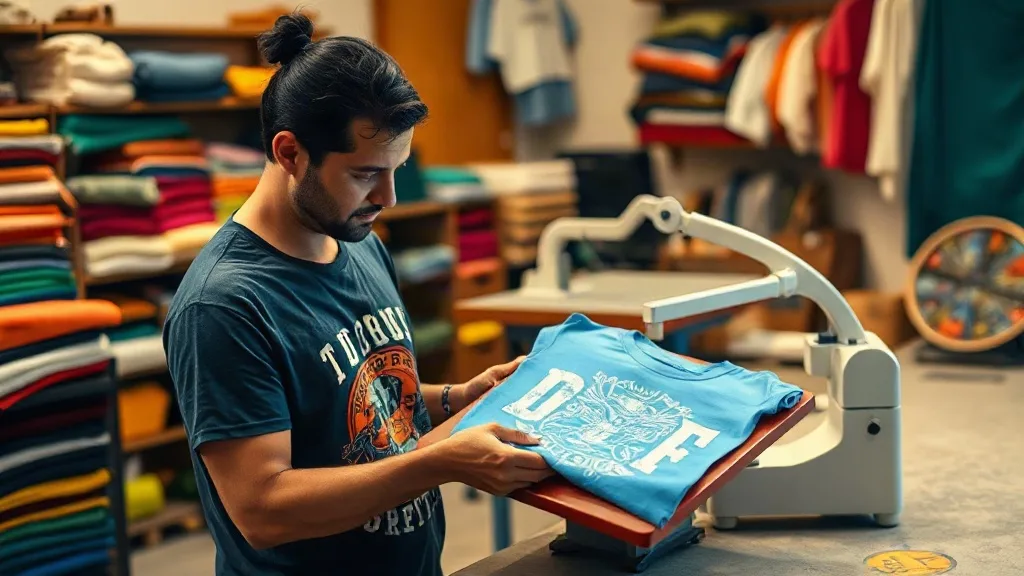
In the competitive world of custom apparel, small businesses need printing methods that deliver both quality and affordability. dtf printing, or Direct to Film, has emerged as a game-changer, offering vibrant colors and exceptional durability without the hefty price tag of traditional techniques. Whether you're a startup screen printer or a boutique owner looking to expand your product line, understanding DTF technology can give you a significant edge.
What Exactly Is DTF Printing?
DTF printing is a digital printing process where your design is printed onto a special film, coated with a powdered adhesive, and then heat-pressed onto fabric. Unlike DTG (Direct to Garment), which prints directly onto the shirt, DTF allows you to transfer the design onto a wide range of materials, including cotton, polyester, blends, and even leather. This versatility is a major reason why small businesses are adopting DTF in droves.
The process starts with a digital printer that uses pigment-based inks to print the design onto a PET film. A powder adhesive is applied while the ink is still wet, and then the film is cured. When you're ready to apply, you simply place the film on the garment, heat press it, and peel off the film. The result is a soft, stretchable print that withstands repeated washing.
Why Small Businesses Are Switching to DTF
If you run a small operation, you know that time and money are precious. DTF printing addresses both concerns. First, there's no need for separate screens or plates, so you can produce short runs or even one-off items profitably. Second, the setup cost is minimal compared to screen printing, making it accessible for businesses just starting out.
Cost-Effectiveness for Short Runs
Screen printing requires a separate screen for each color, which can be expensive for small orders. With DTF, you can print full-color designs without any additional cost per color. This means you can offer custom t-shirts, tote bags, and more at competitive prices, even for single items.
Unmatched Versatility
DTF transfers adhere beautifully to a variety of fabrics, including those that are tricky for other methods. Polyester, for instance, can be problematic with DTG due to dye migration, but DTF handles it with ease. You can also print on dark garments without a white underbase, which simplifies the process.
Getting Started with DTF: A Step-by-Step Guide
Ready to integrate DTF into your business? Here's a practical roadmap to help you get started smoothly.
- Invest in the right equipment: You'll need a DTF printer, a heat press, and a powder shaker. Start with a reliable printer that fits your budget and production volume.
- Choose quality supplies: Not all films and powders are created equal. Opt for reputable brands to ensure consistent results and durability.
- Master the software: Learn to prepare your artwork with the correct color profiles and settings. RIP software is essential for accurate color reproduction.
- Practice the transfer process: Temperature, pressure, and time are critical. Each fabric may require slight adjustments, so keep a log of your settings for different materials.
- Market your new capability: Let your customers know you offer DTF printing. Highlight its benefits like vibrant colors, soft feel, and durability.
Common Challenges and How to Overcome Them
Like any printing method, DTF has its quirks. Here are some common issues and solutions.
Adhesion Problems
If your transfer peels off after washing, it's often due to insufficient pressure or incorrect temperature during pressing. Ensure your heat press is calibrated and apply even pressure across the entire design. Also, pre-press the garment to remove moisture and wrinkles.
Color Fading
Fading can occur if the ink isn't properly cured or if you're using low-quality inks. Invest in high-quality inks and follow the curing guidelines provided by your printer manufacturer. Additionally, washing garments inside out in cold water helps prolong the life of the print.
DTF vs. Other Printing Methods: A Quick Comparison
How does DTF stack up against screen printing, DTG, and vinyl? Here's a breakdown to help you decide.
- Screen Printing: Best for large orders with few colors; DTF wins for complex, multi-color designs and small batches.
- DTG: Ideal for 100% cotton, but DTF offers broader fabric compatibility and doesn't require pre-treatment.
- Vinyl: Great for simple text and shapes, but DTF handles intricate details and gradients effortlessly.
Maximizing Your DTF Investment
To get the most out of your DTF printer, consider these tips:
- Keep your printer maintained: Regular cleaning and maintenance prevent clogged nozzles and ensure consistent output.
- Offer samples: Provide potential clients with sample prints on various fabrics to showcase the quality.
- Train your staff: Proper training reduces errors and increases efficiency.
- Stay updated: Follow industry forums and groups to learn about new techniques and products.
Frequently Asked Questions About DTF Printing
How long do DTF prints last?
When applied correctly, DTF prints can last as long as the garment itself, often over 50 washes without significant fading or cracking.
Can I use DTF on 100% polyester?
Yes, DTF works exceptionally well on polyester, including performance fabrics and blends. It doesn't require a special pre-treatment, and the colors remain vibrant.
What equipment do I need to start DTF printing?
You'll need a DTF printer, a heat press, a powder shaker, and a curing oven (or you can use your heat press for curing). Additionally, you'll need DTF film, ink, and adhesive powder.
Is DTF printing profitable for small businesses?
Absolutely. With low setup costs and the ability to print short runs, DTF can be highly profitable. You can charge competitive prices while maintaining healthy margins.
DTF printing is more than a trend; it's a practical solution for small businesses looking to offer high-quality custom apparel without breaking the bank. By understanding the process, investing in the right equipment, and mastering the techniques, you can expand your services and delight your customers. And when you're ready to source supplies, remember that dtf transfers from reputable suppliers ensure the best results. Embrace DTF and watch your business thrive.