Are you looking for a versatile and cost-effective way to create custom apparel? DTF transfers have revolutionized the printing industry, offering an accessible method for producing vibrant, durable designs on various fabrics. In this comprehensive guide, we'll explore what DTF transfers are, how they work, and why they might be the perfect solution for your printing needs. Whether you're a small business owner or a hobbyist, this guide will provide valuable insights to help you make informed decisions.
What Are DTF Transfers?
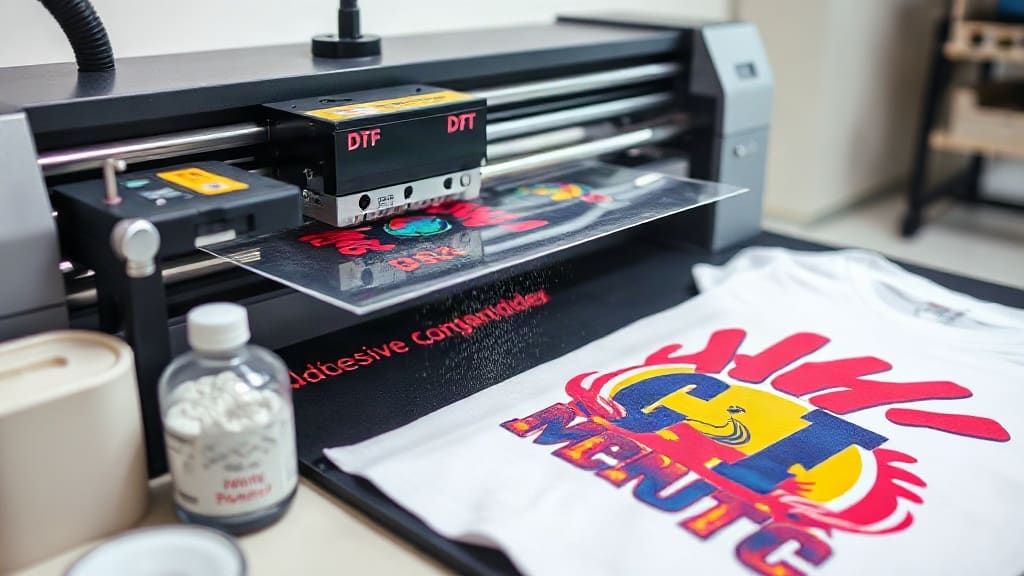
DTF, which stands for Direct to Film, is a printing technique where a design is printed onto a special film, coated with adhesive powder, and then heat-pressed onto a garment or other substrate. Unlike traditional screen printing or heat transfer vinyl, DTF transfers are known for their ability to produce detailed, full-color images with excellent stretchability and soft hand feel.
The DTF Process Explained
The DTF process involves several steps:
- Print the design onto a PET film using a DTF printer and specialized CMYK plus White ink.
- Apply a hot-melt adhesive powder to the wet ink while it's still wet.
- Dry the film and powder in an oven or heat source to cure the adhesive.
- Cut the film around the design, if necessary.
- Place the film onto the garment, and heat press it at the appropriate temperature and pressure for a specific time.
- Peel off the film (hot or cold, depending on the film type) to reveal the transfer.
This method allows for intricate details and a wide color gamut, making it ideal for complex logos, photographs, and designs with gradients.
Why Choose DTF Transfers Over Other Methods?
There are several reasons why DTF transfers have become increasingly popular:
- Versatility: DTF works on a wide range of fabrics, including cotton, polyester, blends, and even nylon or leather.
- Durability: The prints are resistant to cracking, fading, and washing when done correctly.
- Softness: The transfer has a soft feel, making it comfortable to wear.
- No weeding: Unlike vinyl, there is no need for tedious weeding of excess material.
- Low minimum order: You can print single items or small batches economically.
- Full-color without separation: Unlike screen printing, you don't need to separate colors; DTF prints full-color designs directly.
Materials Needed for DTF Printing
To get started with DTF, you'll need specific equipment and supplies:
Essential Equipment
- DTF Printer: Typically an Epson-based printer converted for DTF, or a purpose-built DTF printer.
- Heat Press: A clamshell or swing-away heat press with adjustable pressure and temperature.
- Curing Oven or Heat Source: For drying the adhesive powder, though some use a heat press for this step.
- Shaker and Powder Applicator: For applying the adhesive powder evenly.
- DTF Inks and Films: Quality CMYK and white inks, plus PET films specifically designed for DTF.
Consumables
- Hot-melt Adhesive Powder: This is applied to the film before transferring.
- Release Film or Paper: For protecting the press during transfer.
- Pretreatment (optional): Some fabrics may benefit from pretreatment to improve adhesion.
Costs and Investment
One of the main attractions of DTF transfers is the relatively low start-up cost compared to other methods like direct-to-garment (DTG) printing. A basic DTF setup can cost anywhere from $2,000 to $10,000, depending on the printer and accessories. Consumables (ink, film, powder) add to the per-print cost, but they are competitive with other methods, especially for small runs.
For those who want to test the waters without investing in equipment, many companies offer DTF transfers as a service. You can order custom transfers and simply heat press them onto your garments. This is a great option for low-volume needs or for those who prefer to outsource production.
Tips for Perfect DTF Transfers
To achieve professional-looking results, consider these expert tips:
1. Use High-Quality Files
Always start with high-resolution designs (300 DPI or higher) and ensure they have a transparent background if not using a full-bleed design. Vector files (SVG, EPS) are ideal for scalability.
2. Calibrate Your Printer
Regularly perform nozzle checks and cleanings to ensure consistent ink flow. Proper color calibration is essential for color accuracy.
3. Control the Powder Application
Apply the adhesive powder evenly, shaking off excess thoroughly. Inconsistent powder can lead to adhesion issues.
4. Cure at the Right Temperature and Time
Follow the manufacturer's recommendations for curing. Overcuring can make the transfer brittle, while undercuring can cause poor adhesion.
5. Test on Different Fabrics
Each fabric type may require slight adjustments in time, temperature, and pressure. Always test before a full production run.
6. Handle with Care
When storing printed films, keep them flat and away from heat and humidity. Dust can affect quality.
Common Issues and How to Avoid Them
Even experienced printers encounter issues. Here are some frequent problems and solutions:
Poor Adhesion
If the transfer doesn't stick well, check the pressure and temperature. Increase pressure slightly and ensure the heat press is at the recommended temperature (usually around 320-350°F). Also, make sure the garment is pre-pressed to remove moisture.
Cracking or Peeling
This often happens if the transfer is over-cured or under-cured. Follow the exact curing time and temperature. Also, avoid stretching the garment immediately after pressing.
Color Fading
Fading can be caused by low-quality inks or insufficient curing. Use pigment inks and ensure proper curing to set the colors.
White Ink Issues
White ink tends to settle and clog. Keep the printer well-maintained, and use a white ink circulation system if available. Also, shaking the cartridges regularly helps.
Applications of DTF Transfers
The versatility of DTF transfers makes them suitable for a wide range of products:
- T-shirts, hoodies, and sweatshirts
- Polos and workwear
- Bags, caps, and accessories
- Sportswear and team uniforms
- Home textiles like pillow covers and tote bags
Because DTF works on both light and dark fabrics, you can expand your product offerings without limitations.
Frequently Asked Questions
Is DTF transfer durable for frequent washing?
Yes, when applied correctly, DTF transfers are highly durable. They can withstand multiple washes without cracking or fading, provided you use quality materials and follow the recommended curing and pressing parameters. Always wash garments inside out in cold water and hang dry to extend the life of the print.
Can DTF transfers be used on any fabric?
Mostly, yes. DTF works exceptionally well on cotton and cotton-polyester blends, but it also adheres to polyester, nylon, and even leather with proper preparation. However, for very stretchy fabrics or those with low heat resistance, you may need to adjust the pressing time and temperature. Always test on a small area first.
How long does it take to produce a DTF transfer?
The production time depends on your setup and the complexity of the design. Typically, printing a film takes a few minutes, and the curing process adds another few minutes. For a small order, you can have a transfer ready in under 10 minutes. But for bulk production, you'll need to factor in drying and handling time.
Do I need a separate white ink printer for DTF?
No, DTF printers use CMYK plus White ink simultaneously. The printer must have the capability to print white ink, which is often achieved by using a printer with an extra slot for white ink or a specialized DTF printer. Some printers require advanced configuration to handle white ink properly, so it's best to invest in a purpose-built DTF printer if you're serious about this method.
Can I use DTF transfers for small batches?
Absolutely. One of the biggest advantages of DTF is its flexibility for small orders. There are no setup fees, and you can print just one transfer at a time. This makes it ideal for personalized items and on-demand printing. Many online services offer DTF transfer printing with no minimum order quantities.
Final Thoughts
DTF transfers offer an exciting opportunity for anyone looking to create custom apparel with high quality and versatility. Whether you decide to invest in your own equipment or use a service, understanding the process and best practices will help you produce stunning results. From vibrant colors to long-lasting durability, DTF is a smart choice for modern printing. Embrace this technology, experiment with different fabrics, and you'll soon be creating professional-grade transfers that impress your customers. Remember, practice makes perfect, so don't hesitate to start small and refine your technique.