When you search for dtf transfers near me, you want more than just a quick turnaround. You want prints that pop, that survive wash after wash, and that make your brand or project look its best. I've been in the custom apparel game for years, and I know how tempting it is to pick the cheapest or closest option. But not all DTF printers are created equal. Let me walk you through what actually matters when you're hunting for a local DTF transfer service, so you don't end up with cracked, faded, or peeling designs.
Why DTF Transfers Are a Game-Changer
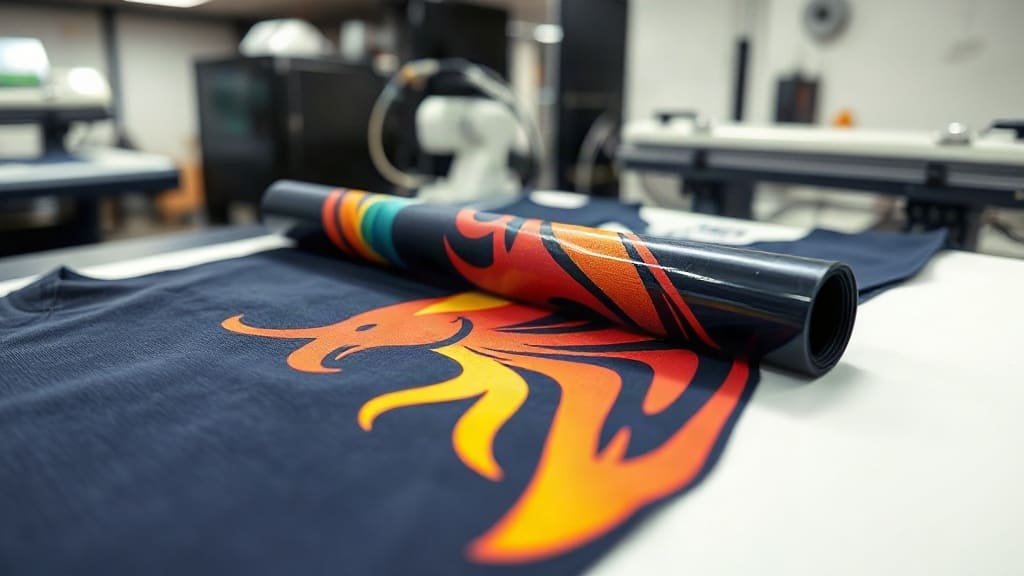
DTF, or Direct to Film, printing has revolutionized the custom apparel industry. Unlike screen printing, which requires messy screens and setup for each color, DTF lets you print full-color, high-detail designs onto a special film, then transfer them onto fabric with heat and pressure. It's incredibly versatile: you can print on cotton, polyester, blends, and even tricky materials like nylon or leather. For small businesses and hobbyists, it's a low-cost entry point because you don't need to order hundreds of shirts at once. But the catch is, the quality depends heavily on the equipment, the inks, and the skill of the operator.
The Hidden Costs of Choosing the Wrong Printer
I've seen people get burned by choosing a printer solely based on distance or price. A friend of mine ordered a batch of DTF transfers for a fundraiser from a shop that was literally down the street. The price was unbeatable, but the prints came out looking washed out, and after just one wash, the edges started peeling. He had to reorder everything, losing both time and money. That's the reality: cheap doesn't always mean cost-effective. When you're evaluating dtf transfers near me, you need to look past the surface and dig into the details.
What Sets a Top-Quality DTF Transfer Apart
Not all DTF transfers are the same. Here are the key factors that separate a premium transfer from a mediocre one:
- Ink quality: High-quality, water-based or eco-solvent inks that are formulated for DTF produce vibrant colors and resist fading. Cheap inks can look dull or yellow over time.
- Film thickness: The right PET film should be thick enough to hold the ink without warping, but not so thick that it's hard to peel. A good film ensures clean weeding and transfer.
- Adhesive powder: The hot-melt adhesive powder must be evenly applied and of the correct mesh size. If it's too fine or too coarse, the transfer may not stick properly or could feel stiff.
- Print resolution: Look for printers that use high-DPI printing (at least 1200 DPI) for sharp details and smooth gradients. Blurry prints are a red flag.
- Testing and quality control: Reputable printers test their transfers on different fabrics to ensure adhesion and washability. They should be willing to show you samples.
- Turnaround time: While you want speed, a printer that rushes might skip essential steps like proper curing. Balance speed with reliability.
When you're searching for dtf transfers near me, ask about these specifics. A knowledgeable printer will be happy to explain their process and even show you their equipment.
How to Evaluate Local DTF Printers
Once you have a list of potential shops, it's time to vet them. Here's a step-by-step approach that has saved me from many headaches:
- Check their portfolio: Look at their Instagram, website, or in-store samples. Pay attention to color accuracy and detail in complex designs.
- Order a sample pack: Most good printers offer a sample pack or a low-cost test order. Print a small design with a variety of colors, gradients, and fine text. Wash it a few times to test durability.
- Ask about their process: Do they use a flatbed press or a roll-to-roll system? What temperature and pressure do they use? A professional will have specific answers.
- Read reviews: Look for reviews on Google or Yelp, but also check social media comments. Pay attention to repeat customers and long-term relationships.
- Compare pricing, not just per square foot: Some printers charge a flat rate per transfer, others by size. Consider the total cost for your typical order, including any setup fees.
I remember when I first started, I chose a printer based on their fancy website. But their transfers were inconsistent. The next time, I took the time to order samples from three different printers. The difference was night and day. The best one wasn't the cheapest, but it was the most reliable, and that saved me money in the long run.
Questions to Ask Before You Commit
Before you hand over your money, ask these questions:
- What is your typical turnaround time for a standard order?
- Do you offer rush orders, and what's the extra cost?
- Can you match Pantone colors or do you only print CMYK?
- What is your minimum order quantity? (Many DTF printers have no minimum, but some do.)
- Do you provide a proof before printing? (You should always get a digital proof.)
- What is your policy on misprints or damaged transfers? (A good printer will offer replacements.)
- Do you offer discounts for volume orders?
These questions will help you separate professional operations from hobbyists or fly-by-night sellers. When I ask about color matching, I've had some printers say they can't guarantee it, which is a deal-breaker for branded merchandise.
The Convenience Factor: Why Local Matters
One of the biggest advantages of finding dtf transfers near me is the ability to pick up your order in person. This saves on shipping costs and time. You can also inspect the transfers before you leave, ensuring they meet your standards. Plus, if there's an issue, you can walk back in and talk to someone face-to-face. Local printers often have a more personal touch; they might even offer tips based on your specific fabric or design. I have a local printer who always throws in a few extra transfers for free, just to be safe. That kind of relationship is hard to beat.
Common Mistakes to Avoid
Even with the best printer, you can run into issues if you're not careful. Here are some pitfalls I've seen:
- Not checking fabric compatibility: DTF works on many fabrics, but some require special handling. If you're printing on very stretchy materials like spandex, make sure the printer uses a stretchable adhesive.
- Overlooking the peel method: Some DTF transfers require hot peel, others cold peel. If you peel too soon or too late, you can ruin the print. Ask your printer for specific instructions.
- Ignoring the cure time: After pressing, the transfer needs to cool before you handle it. Rushing can cause smudging.
- Not testing a sample on your actual garment: Different fabrics can react differently to heat and pressure. Bring your own shirt if possible, or order a sample test.
I once made the mistake of assuming a DTF transfer would work on a 100% polyester jersey the same as on cotton. The transfer cracked because the polyester couldn't handle the high heat. My printer had warned me, but I didn't listen. Learn from my error.
How to Get the Best Value for Your Money
While you might be tempted to go with the lowest quote, consider the total value. A slightly more expensive transfer that lasts through 50 washes is more cost-effective than one that falls apart after 10. Look for printers that offer a balance of quality and price. Many local printers will match competitor prices if you ask, especially if you're a repeat customer. Also, consider ordering in bulk to get a discount. If you're just starting out, you might not need a huge quantity, but as your business grows, you can negotiate better rates.
Conclusion: Your Next Step to Perfect Prints
Finding the right dtf transfers near me doesn't have to be a gamble. By knowing what to look for, asking the right questions, and testing samples, you can secure a reliable local partner for your custom apparel needs. Remember, the goal is not just to get a transfer, but to get a transfer that makes your customers smile and your brand shine. So take the time to do your homework, and don't settle for anything less than top-notch quality.
Frequently Asked Questions
What is the difference between DTF and screen printing?
DTF (Direct to Film) printing involves printing your design onto a special film, then using heat to transfer it onto fabric. It allows for full-color, intricate designs without the setup of screens. Screen printing, on the other hand, requires creating a separate screen for each color, making it more labor-intensive for multicolor designs but cost-effective for large quantities of simple graphics.
Can DTF transfers be used on any fabric?
DTF transfers work well on most fabrics, including cotton, polyester, blends, and even some synthetic materials. However, for very stretchy or delicate fabrics, you need to ensure the transfer has the right adhesive and flexible binder. It's always best to test a sample on your specific fabric before placing a large order.
How long do DTF transfers last?
With proper care, DTF transfers can last as long as the garment itself, typically 50+ washes. The key is to follow the care instructions: wash inside out in cold water and avoid ironing directly on the print. High-quality inks and correct curing during production also extend the transfer's life.
Do I need to order a minimum quantity?
Many DTF printers have no minimum order quantity, making it ideal for one-off custom shirts or small batches. However, some may have a minimum for certain sizes or offer discounts for bulk orders. Always check with your local printer.
How much do DTF transfers cost?
The cost varies depending on the printer, the size of the transfer, and the complexity of the design. Typically, you'll pay per square inch or per transfer. Prices can range from a few dollars for small transfers to more for large ones. To get an accurate quote, provide your design and specify the dimensions.