If you're looking for a versatile and cost-effective way to create custom apparel, DTF transfers are likely on your radar. This printing method has taken the industry by storm, offering vibrant colors, exceptional durability, and ease of use. Whether you're a DIY enthusiast, a small business owner, or a seasoned printer, DTF transfers might be the perfect solution for your projects. In this guide, we'll dive deep into what DTF transfers are, how they work, and why they are becoming a favorite among creators. By the end, you'll have all the knowledge you need to decide if DTF is right for you.
What Are DTF Transfers?
DTF stands for Direct to Film. It's a printing process where a design is printed onto a special PET film using a DTF printer, then transferred to fabric using a heat press. Unlike other methods, DTF transfers allow for detailed, multi-colored prints with no weeding required. This makes them perfect for complex designs, logos, and even photographic images. The process involves printing a mirror image of your design onto the film with white ink as a base, then applying a hot-melt adhesive powder to the film. After curing the powder, you can store the transfer and apply it later when needed.
One of the biggest advantages of DTF transfers is their versatility. They work on a wide range of fabrics, including cotton, polyester, blends, and even leather. This flexibility makes them a popular choice for creating custom t-shirts, hoodies, tote bags, and more. Additionally, DTF prints are known for their soft hand feel and stretchability, which means they don't crack or peel easily, even after multiple washes.
How DTF Transfers Work: A Step-by-Step Process
Understanding the DTF process is essential to appreciate its benefits. Here's a breakdown of the steps involved in creating DTF transfers:
- Printing: The first step is to print your design onto a special PET film using a DTF printer. This printer uses CMYK + White ink, ensuring that colors are vivid and opaque, especially on dark fabrics. The design is printed in reverse (mirror image) so that it appears correctly when transferred.
- Applying Adhesive Powder: While the ink is still wet, a hot-melt adhesive powder is applied to the film. This powder is essential for the transfer to stick to the fabric. The powder should be evenly distributed to ensure a solid bond.
- Curing: The film with the powder is then heated to melt the adhesive. This can be done using a heat press or a conveyor dryer. The heat causes the powder to melt and adhere to the ink, creating a sturdy transfer layer.
- Storing or Using: Once cured, the DTF transfer can be stored for later use or applied immediately. This is a huge advantage for businesses that want to print in bulk or keep inventory of popular designs.
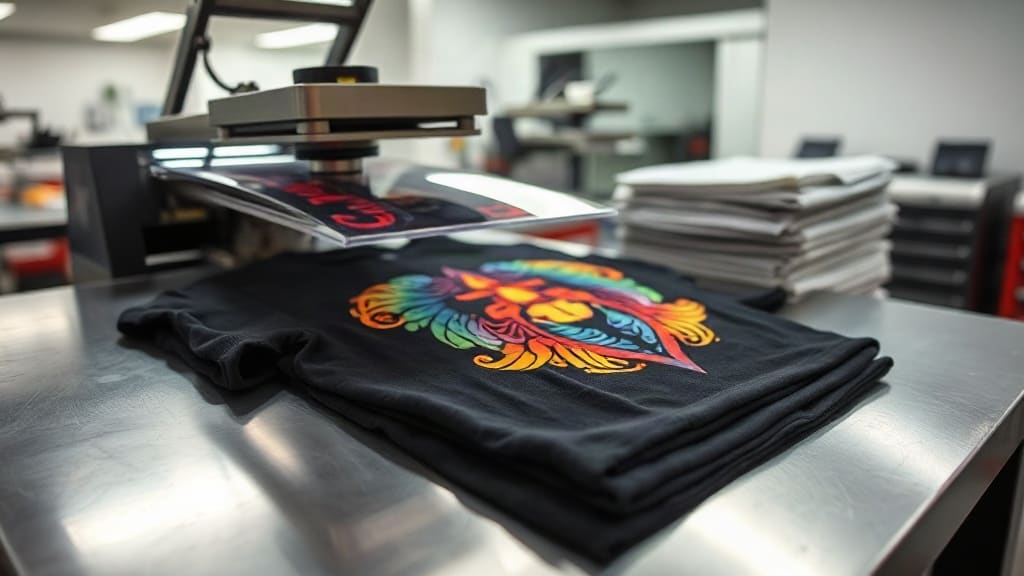
- Heat Pressing: To apply the transfer, you place it on the fabric (with the design facing up) and press it with a heat press at a specific temperature and time. After pressing, you peel the film off, leaving the design on the fabric. The result is a vibrant, durable print.
This process is relatively simple, but it requires attention to detail. Factors like temperature, pressure, and time must be optimized to achieve the best results. Most DTF powders and films come with recommended settings, but practice and experimentation will help you refine your technique.
Why Choose DTF Transfers? Key Benefits
There are several reasons why DTF transfers have become a game-changer in the custom apparel industry. Let's explore the main benefits:
- Versatility: DTF works on a variety of fabrics, not just cotton. This means you can expand your product range without needing different equipment.
- Color Vibrancy: The white ink base ensures that colors pop, even on dark or black garments. You can achieve true-to-design colors with high opacity.
- Durability: DTF prints are known for their durability. They can withstand numerous washes without fading, cracking, or peeling, making them ideal for everyday wear.
- No Weeding: Unlike vinyl, DTF transfers don't require weeding out excess material. This saves time and reduces material waste.
- Soft Hand Feel: The prints have a soft, flexible feel, especially when using high-quality materials. This makes them comfortable to wear.
- Easy to Use: Once you have the equipment, the process is straightforward. It's accessible to beginners, yet scalable for high-volume production.
These benefits make DTF transfers an attractive option for both hobbyists and businesses. Whether you're personalizing items for a small batch or running a full-scale printing operation, DTF offers a balance of quality and efficiency.
DTF Transfers vs. Other Printing Methods
To fully appreciate DTF, it's helpful to compare it with other popular methods like screen printing, DTG, and vinyl. Each has its own strengths and weaknesses.
DTF vs. Screen Printing
Screen printing is a traditional method that requires creating screens for each color. It's highly cost-effective for large orders of the same design. However, it's not practical for small orders or designs with many colors. DTF, on the other hand, is perfect for small to medium runs and allows for full-color prints without the setup cost. If you're making one-off custom items, DTF is much more efficient.
DTF vs. DTG (Direct to Garment)
DTG printing involves printing directly onto the fabric using a specialized inkjet printer. It's excellent for detailed prints and works best on 100% cotton garments. However, DTG printers are expensive and can be high-maintenance. DTF transfers offer similar print quality but can be used on a wider range of materials. Additionally, DTF transfers can be pre-printed and stored, which is not possible with DTG. For businesses that need to produce items on demand, DTF might be more flexible.
DTF vs. Vinyl (Heat Transfer Vinyl)
Vinyl is a popular choice for simple, one-color designs. It's durable and easy to apply, but it requires weeding and is not suitable for complex, multi-colored designs. DTF transfers eliminate weeding and can handle intricate designs with ease. If your designs are detailed, DTF is the clear winner. Vinyl can also have a thicker feel, while DTF prints are softer and more comfortable.
In summary, DTF transfers offer a versatile middle ground between the cost-efficiency of screen printing and the detail of DTG, with the simplicity of vinyl but without its limitations.
Essential Equipment and Materials for DTF Transfers
If you're considering getting into DTF transfers, you'll need some specific equipment and materials. Here's a list of what's required:
- DTF Printer: This is a specialized inkjet printer that uses pigment inks (CMYK + White). Some models are designed specifically for DTF, while others can be converted from DTG printers.
- PET Film: This is the film onto which the design is printed. It comes in rolls of varying widths and lengths. Choose a high-quality film to ensure proper adhesion and easy peeling.
- DTF Ink: The ink used in DTF printing is different from regular ink. It's water-based and includes a white pigment for the base layer. Always use inks recommended by your printer manufacturer.
- Adhesive Powder: This hot-melt powder is applied to the printed film. It acts as a glue that bonds the ink to the fabric. You can choose from different mesh sizes, depending on the texture you want.
- Heat Press: A heat press is used to cure the powder and to transfer the design onto the garment. A clamshell or swing-away press with adjustable temperature and pressure is ideal.
- Curing Oven or Heat Gun: For curing the powder, you can use a conveyor dryer or even a heat press. Some people use a heat gun, but a dedicated curing source is more reliable.
Investing in quality equipment will ensure consistent results. It's also important to maintain your printer and use the right settings for each material.
How to Use DTF Transfers at Home or in Business
Using DTF transfers is not just for commercial printers; you can also do it at home with the right setup. Here are some tips for both scenarios:
For Home Users
If you're a hobbyist, you can start with a smaller DTF printer and a basic heat press. The process is straightforward, but you'll need to practice to get the right press settings. Start with simple designs and gradually move to more complex ones. You can also purchase pre-printed DTF transfers from suppliers if you don't want to invest in a printer. This is a great way to test the waters without a huge upfront cost.
For Business Owners
For businesses, DTF transfers offer a lucrative opportunity. You can offer custom apparel printing services with lower startup costs compared to DTG. Because DTF transfers can be pre-printed, you can produce items in advance and fulfill orders quickly. This is especially useful for events, promotions, and e-commerce. To succeed, focus on niche markets, such as pet apparel, sportswear, or personalized gifts. Provide excellent customer service and ensure consistent quality to build a loyal customer base.
One of the best things about DTF is that you can create custom transfers for your own designs, or you can act as a supplier for other businesses. Many print shops offer DTF transfer services, allowing other brands to order transfers and apply them in-house. This opens up additional revenue streams.
Common Challenges and How to Overcome Them
Like any printing method, DTF transfers come with their own set of challenges. Here are some common issues and solutions:
- Poor Adhesion: If the transfer doesn't stick well, it might be due to incorrect temperature or pressure. Make sure your heat press is set to the right temperature (usually around 160°C to 170°C) and apply firm pressure for the recommended time.
- Peeling or Cracking: This can happen if the adhesive powder isn't evenly applied or if the transfer is over-cured. Use the correct powder mesh and avoid excessive heat during curing.
- Color Fading: Ensure you're using quality inks and that the white underbase is sufficient. Also, make sure the fabric is properly pre-pressed to remove moisture.
- Film Adhesion Issues: If the film sticks to the garment after pressing, it might be because the press temperature is too low or the time is too short. Increase the time slightly.
It's essential to keep a record of your settings and test with each new batch of materials. Over time, you'll develop a workflow that minimizes errors.
Tips for Getting the Best Results with DTF Transfers
To achieve professional-looking results, consider these expert tips:
- Optimize Your Artwork: Use high-resolution images (at least 300 DPI) and ensure your design is properly sized. DTF can handle gradients and fine details, but clear vector or high-res raster is best.
- Calibrate Your Printer: Regularly perform nozzle checks and cleanings to maintain print quality. Color calibration ensures your prints match your design.
- Use the Right Powder Mesh: Finer powder (e.g., 50 mesh) is great for detailed prints, while coarser powder (e.g., 30 mesh) provides a more textured feel. Choose based on your fabric and design.
- Pre-Press Your Garments: Press the fabric for a few seconds before applying the transfer to remove wrinkles and moisture. This helps the transfer adhere better.
- Experiment with Fabrics: DTF works on many materials, but each behaves differently. Test on a sample piece to find the optimal settings for each fabric type.
- Store Transfers Properly: If you're not using transfers immediately, store them in a cool, dry place away from direct sunlight. This will extend their shelf life.
By following these tips, you'll be able to produce consistent, high-quality prints that your customers will love.
Frequently Asked Questions
Can DTF transfers be used on dark colors?
Yes, one of the biggest advantages of DTF is that it can be used on dark fabrics. This is because the white ink underbase ensures that the colors remain vibrant and opaque, even on black or navy garments. The white base prevents the fabric color from showing through the design.
How durable are DTF prints?
DTF prints are highly durable. When applied correctly, they can withstand repeated washing and wearing without fading, cracking, or peeling. The key is to use quality materials and follow the correct pressing instructions. Many manufacturers claim a lifespan of over 50 washes, but this can vary depending on care.
Can I use DTF transfers on polyester?
Yes, DTF transfers work well on polyester and other synthetic fabrics. However, you may need to adjust the heat press temperature and time, as polyester is more sensitive to heat. Lower temperatures and shorter pressing times are often recommended to prevent scorching.
Do I need a special printer for DTF?
Yes, you need a printer that is compatible with DTF inks and can handle the white ink. Some standard inkjet printers can be converted, but it's easier to use a printer specifically designed for DTF. These printers typically have a bulk ink system and can handle the thicker white ink.
What is the difference between DTF and DTG?
DTF (Direct to Film) involves printing on a film and then transferring to the fabric, while DTG (Direct to Garment) prints directly onto the garment. DTF is more versatile as it works on a variety of fabrics, while DTG is best for 100% cotton. DTF also allows for pre-printing and storage of transfers, making it more flexible for production.
Conclusion: Embrace the Power of DTF Transfers
DTF transfers have revolutionized the custom apparel industry with their versatility, durability, and ease of use. Whether you're a business owner looking to expand your product offerings or a hobbyist creating personalized gifts, DTF transfers offer an accessible and cost-effective solution. By understanding the process, investing in the right equipment, and following best practices, you can produce stunning, long-lasting prints that will impress your customers and keep them coming back for more. So why wait? Dive into the world of DTF transfers and unlock your creative potential today.