DTF transfers have taken the custom printing world by storm, offering a versatile and cost-effective way to create vibrant designs on various fabrics. Unlike traditional screen printing or vinyl, this method uses a special film and adhesive powder to produce detailed prints that feel soft and stretch well. In this comprehensive guide, we'll explore how they work, their benefits, and how you can master them for your own projects.
What Are DTF Transfers?
DTF stands for Direct to Film. The process involves printing a design onto a special PET film using a printer equipped with white ink. After printing, an adhesive powder is applied to the wet ink, which is then melted and cured. The film is then placed on a garment and heat pressed, causing the design to transfer onto the fabric. The result is a vibrant, durable print that can be applied to a wide range of materials, including cotton, polyester, blends, and even leather.
How DTF Transfers Work
The DTF process consists of several key steps:
- Printing: A DTF printer prints the design onto a special PET film using CMYK plus white ink. The white ink creates a base layer for the design, ensuring colors pop on dark fabrics.
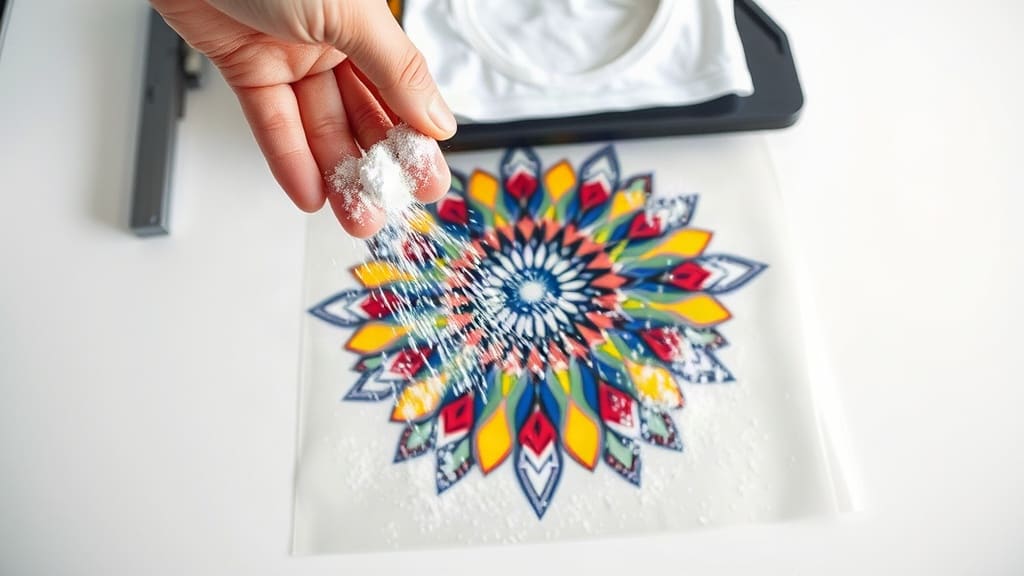
- Applying Adhesive Powder: While the ink is still wet, a hot-melt adhesive powder is sprinkled over the film. This powder sticks to the ink and is then melted using a heat source, creating a strong bond.
- Curing: The film is passed through a curing oven or heat press to fully melt the adhesive powder, making it tacky.
- Transfer: The film is placed on the garment, adhesive side down, and heat pressed at around 150°C (302°F) for 15-20 seconds. The design is transferred onto the fabric.
- Peeling: After cooling, the film is peeled away, leaving the design on the garment. For best results, use a hot peel or cold peel depending on the film type.
Benefits of DTF Transfers
DTF printing offers numerous advantages over other methods:
- Versatility: You can print on a wide variety of fabrics, including cotton, polyester, nylon, and blends, without needing special pretreatment for most fabrics.
- Durability: The adhesive powder creates a strong bond, resulting in prints that can withstand repeated washing and stretching.
- Soft Hand Feel: Unlike thick vinyl prints, DTF prints have a soft, flexible texture that doesn't crack or peel easily.
- Color Vibrancy: The white ink base ensures colors remain bright and vivid, even on dark garments.
- No Screen Setup: Unlike screen printing, there's no need for screens or setup, making it ideal for small batches and custom orders.
- Cost-Effective: For short runs and one-off designs, DTF is more economical than screen printing, which has high initial costs.
DTF vs. Other Printing Methods
To understand the value of DTF, it's helpful to compare it with other popular methods:
DTF vs. Direct-to-Garment (DTG)
DTG printing involves printing directly onto the garment using inkjet technology. While DTG is excellent for high-detail, full-color designs on cotton, it requires pretreating the fabric and can be slower for bulk orders. DTF transfers can be printed on film in advance, making it faster for bulk production and allowing you to print on non-cotton materials without special pretreatment.
DTF vs. Heat Transfer Vinyl (HTV)
HTV involves cutting vinyl into shapes and heat pressing them onto garments. While HTV is great for simple designs with few colors, it struggles with complex, multi-colored designs and can have a stiff feel. DTF transfers can reproduce any digital design with all its colors, creating a softer, more professional-looking print.
Equipment Needed for DTF Transfers
Getting started with DTF requires some specific equipment:
- DTF Printer: A printer that can handle white ink, such as the Epson L1800 or a specialized DTF printer. These printers often come with a white ink circulation system to prevent clogging.
- PET Film: Specially coated films that allow ink to adhere without spreading.
- Adhesive Powder: A hot-melt adhesive powder that is applied to the printed film.
- Heat Press: You can use a clamshell or swing-away heat press, but the size must accommodate your garments.
- Shaker or Powder Applicator: A device that applies the powder evenly over the film.
- Curing Oven or Conveyor Dryer: Used to melt the powder after application. Some setups use a heat press for this step.
Step-by-Step Guide to Using DTF Transfers
If you're new to DTF, here's a detailed guide to get you started:
- Design Creation: Create your design using graphic design software. Ensure it includes a white layer if you want to print on dark fabrics. The design should be mirrored before printing.
- Printing: Load the PET film into the printer and print the design with high resolution. Make sure the white ink layer is printed first or as needed.
- Applying Powder: While the ink is still wet, generously apply the adhesive powder over the entire printed area. Use a shaker to distribute it evenly.
- Removing Excess Powder: Gently tap the film to remove excess powder, ensuring only the printed area retains a thick layer.
- Curing: Place the film in a curing oven or under a heat press at about 160°C (320°F) for 30-60 seconds to melt the powder.
- Preparing the Garment: Preheat the garment for a few seconds to remove moisture and wrinkles.
- Transfer: Place the film on the garment with the powder side down. Press at 150°C (302°F) for 15-20 seconds with medium pressure.
- Peeling: After the press, let it cool for a few seconds, then peel the film off. For best results, use a hot peel for dark fabrics and a cold peel for light fabrics.
- Final Press: Place a Teflon sheet over the design and press again for 5-10 seconds to ensure a strong bond.
Tips for Perfect DTF Transfers
To achieve professional results, consider these tips:
- Use Quality Materials: Invest in good quality PET film and adhesive powder to ensure durability and print clarity.
- Calibrate Your Printer: Regularly clean the printhead and calibrate colors to maintain consistent output.
- Mind the Temperature: Different films and powders have specific temperature and time requirements. Always test on scrap fabric first.
- Proper Storage: Store printed films in a cool, dry place and use them within a few days for best results.
- Handle with Care: Avoid touching the printed area with bare hands to prevent contamination.
Common Mistakes to Avoid
Here are some pitfalls you might encounter and how to avoid them:
- Insufficient Powder: Not applying enough powder can lead to weak adhesion and peeling. Ensure a generous layer.
- Wrong Temperature: Too high or too low temperatures can cause incomplete transfer or scorching. Follow the recommended settings.
- Poor Film Quality: Using low-quality film can cause ink bleeding or poor release. Stick to reputable brands.
- Not Mirroring the Design: If you don't mirror the design, it will appear reversed on the garment.
Frequently Asked Questions
How many washes can DTF transfers withstand?
With proper application and care, DTF prints can last for many washes. Typically, they withstand 50 or more washing cycles without significant fading or cracking, especially if you use high-quality materials and follow the correct curing process.
Can DTF transfers be used on any fabric?
DTF transfers work best on cotton, polyester, and blends, but they also perform well on nylon, leather, and even some coated materials. However, for very stretchy fabrics like spandex, you may need a special stretchable adhesive powder to prevent cracking.
What is the difference between DTF and sublimation?
Sublimation requires polyester-based fabrics and involves transferring dye into the fabric using heat and pressure. It's ideal for full-color, all-over designs but only works on light-colored, high-polyester materials. DTF transfers can be used on a wider range of fabrics, including dark colors, because of the white ink base.
Is DTF printing cost-effective for small businesses?
Yes, DTF printing is very cost-effective for small businesses because it eliminates the need for expensive screens and allows for on-demand printing. You can print single custom orders or small batches without worrying about setup costs, making it perfect for personalized items.
Do I need a special printer for DTF transfers?
Yes, you need a printer that can handle white ink, as standard CMYK printers cannot print white. Many businesses use modified Epson printers or purchase dedicated DTF printers that come with white ink circulation systems to prevent clogging.
In conclusion, DTF transfers offer an incredible opportunity for custom printing enthusiasts and businesses alike. With their versatility, durability, and ease of use, they've become a go-to choice for creating high-quality apparel. By understanding the process and investing in the right equipment, you can produce stunning results that will delight your customers. Whether you're starting a new venture or looking to expand your services, DTF printing is a valuable addition to your toolkit. So dive in, experiment, and unleash your creativity with this transformative technology.