
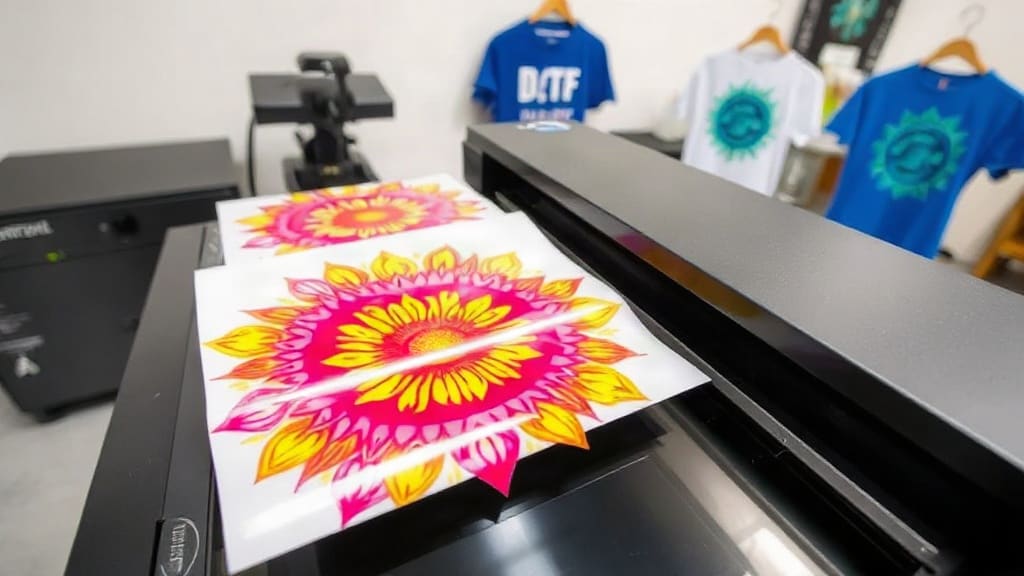
If you've been exploring custom printing options, you've likely encountered DTF transfers. This innovative method has taken the industry by storm, offering a flexible and cost-effective way to create vibrant designs on various fabrics. Whether you're a small business owner, a hobbyist, or just curious, this guide will walk you through everything you need to know.
What Are DTF Transfers?
DTF stands for Direct to Film. It's a printing process where a design is printed onto a special PET film, then transferred to fabric using adhesive powder and heat. Unlike traditional methods, DTF transfers allow you to print on a wide range of materials, including cotton, polyester, blends, and even leather.
How DTF Transfers Work
The process involves a few key steps:
- Print the design onto a PET film using a DTF printer with white ink.
- Apply adhesive powder to the wet ink.
- Heat the film to cure the adhesive.
- Press the film onto the fabric with a heat press.
- Peel off the film to reveal the print.
This method is popular because it doesn't require weeding (unlike vinyl) and can handle intricate, multi-colored designs.
Advantages of DTF Transfers
Why choose DTF transfers over other methods? Here are some compelling benefits:
- Versatility: Works on many fabric types, including dark and light colors.
- Durability: Prints withstand repeated washing without cracking or fading.
- Soft feel: The ink layer is thin, so prints feel smooth on the fabric.
- Cost-effective: No minimum order quantities, perfect for small runs.
- Ease of use: No weeding or complex setup.
DTF vs. Other Printing Methods
DTF vs. Screen Printing
Screen printing is great for large batches but requires setup and is costly for small orders. DTF transfers offer a more affordable solution for custom, on-demand printing.
DTF vs. Sublimation
Sublimation works only on polyester and white backgrounds. DTF works on a wider range of fabrics and colors, making it more versatile.
DTF vs. Vinyl
Vinyl is limited to single-color designs and requires weeding. DTF allows full-color prints with no weeding, saving time and effort.
Step-by-Step Guide to Using DTF Transfers
If you're ready to try DTF transfers, follow this simple process:
- Prepare your design: Use high-resolution artwork. Ensure it's mirrored if needed.
- Print on film: Load the PET film into your DTF printer. Print with CMYK plus white ink.
- Apply adhesive: Evenly sprinkle the adhesive powder over the printed area.
- Cure: Heat the film with a heat press or oven to melt the adhesive.
- Press: Place the film on the fabric, cover with a Teflon sheet, and press at 160°C (320°F) for 20 seconds.
- Peel: Carefully peel off the film while it's still warm.
Tips for Perfect DTF Transfers
To get the best results, keep these expert tips in mind:
- Use a high-quality DTF printer with proper white ink handling.
- Test your heat press temperature and pressure on a scrap fabric.
- Store your printed films in a dry, cool place.
- Shake the adhesive powder well before application.
- For delicate fabrics, adjust the press time and temperature.
Common Mistakes to Avoid
Even experienced printers can make errors. Here are pitfalls to avoid:
- Using low-quality film: This can cause ink to bleed or not stick.
- Not curing the adhesive properly: Leads to poor adhesion.
- Over-pressing: Can cause the film to melt or the design to crack.
- Ignoring fabric care instructions: Always follow washing guidelines.
Choosing the Right DTF Supplies
Your results depend heavily on the materials you use. Invest in good quality PET films, adhesives, and inks. Here's what to look for:
- Film: Choose a film with a matte surface for better ink adherence.
- Adhesive: Look for a powder that melts at a low temperature to avoid damaging fabrics.
- Inks: Use DTF-specific inks that are flexible and vibrant.
Cost-Effectiveness and Business Potential
For entrepreneurs, DTF transfers open up new opportunities. You can start a printing business with low upfront costs, offer on-demand custom products, and scale as you grow. The ability to print single items without waste makes it ideal for e-commerce and personalized gifts.
Frequently Asked Questions
Can I use DTF transfers on any fabric?
Yes, DTF transfers work on a wide range of fabrics, including cotton, polyester, blends, and even some synthetics. However, for best results, always test on a small area first.
How long do DTF prints last?
With proper care, DTF prints can last for many washes. The key is to follow the washing instructions, such as turning the garment inside out and using cold water.
Do I need a special printer for DTF transfers?
Yes, you'll need a printer that supports DTF printing, typically an EPSON or other inkjet printer modified with DTF ink and a white ink circulation system.
Can I use DTF transfers on dark fabrics?
Absolutely. One of the major advantages of DTF is that it prints with a white base, so colors appear vibrant on dark materials.
Is DTF transfers cost-effective for small orders?
Yes, since there's no setup cost and no minimum order, DTF transfers are perfect for small batches and even single items.
Conclusion
DTF transfers are a game-changer in the custom printing world. They offer flexibility, durability, and ease of use that other methods can't match. Whether you're looking to start a business or just want to create personalized items at home, this technique is definitely worth exploring. With the right supplies and a bit of practice, you'll be producing professional-quality prints in no time.