
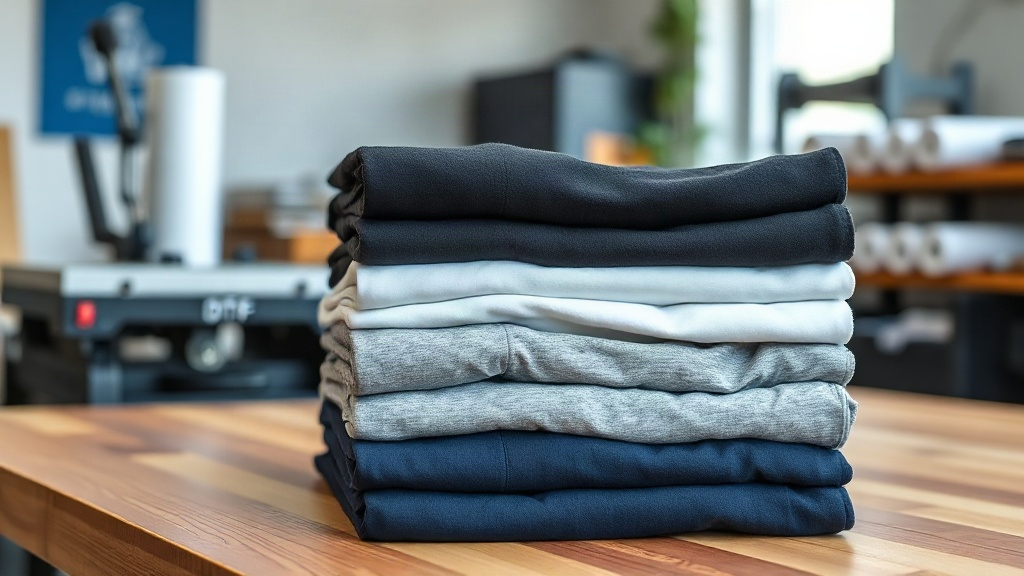
When you're in the business of printing custom apparel, the quality of your blank canvas can make or break your final product. Whether you're running a small screen printing shop or a boutique DTF printing service, the garments you choose directly impact your customers' satisfaction and your brand's reputation. Among the many options available, shaka wear has carved out a loyal following for its consistent quality, comfortable fits, and reliable performance under the heat press. In this guide, we'll dive deep into what makes shaka wear a standout choice, how to choose the right styles for your projects, and expert tips to ensure your prints look flawless every time.
Why Shaka Wear Stands Out in the Blank Apparel Market
The blank apparel industry is crowded, with dozens of brands vying for your attention. So what sets shaka wear apart? Founded in Los Angeles, Shaka Wear has deep roots in streetwear and skate culture, which informs their design philosophy: relaxed fits, durable fabrics, and a focus on comfort. Unlike mass-produced blanks that can feel stiff or shrink after a few washes, Shaka Wear garments are crafted with ringspun cotton and thoughtful construction. This means your prints not only look better but also last longer, because the fabric holds up to repeated wear and washing.
Another key advantage is their variety. From classic crewneck tees to hoodies, tank tops, and long sleeves, Shaka Wear offers a range of styles that cater to different demographics. Their sizing is also generous, often running true to size or slightly larger, which appeals to customers who prefer a looser, modern fit. For printers, this consistency reduces the guesswork when ordering for clients.
Fabric Quality and Construction
Shaka Wear primarily uses 100% cotton or cotton-poly blends, depending on the style. Their heavyweight tees, for example, are made from 6.0 oz or heavier cotton, providing a substantial feel that customers associate with premium quality. The fabric is ringspun, meaning the cotton fibers are twisted together before spinning, resulting in a softer, smoother surface. This is crucial for DTF printing, as a smooth surface allows for better adhesion and a more vibrant print.Construction details matter too. Shaka Wear often features double-needle stitching on hems and sleeves, shoulder-to-shoulder taping, and reinforced necklines. These elements prevent stretching and distortion, especially important if you're printing large graphics that could crack if the garment shifts. Additionally, many of their styles are pre-shrunk, minimizing surprises after the first wash.
Fit and Sizing: What to Expect
Shaka Wear is known for its relaxed, streetwear-inspired fits. Their classic tee, for instance, has a slightly boxy silhouette with a drop shoulder, which is trendy and comfortable. If you're printing for a client who wants a modern, casual look, this is a great option. However, if your audience prefers a more fitted style, you might explore their slim-fit offerings or size down. Always check the size chart and, if possible, order samples to test the fit before committing to a large order.
For DTF printing, the fit affects how the design sits on the body. A relaxed fit may require you to adjust your placement slightly to avoid the print wrapping around the sides. We'll cover placement tips later.
Choosing the Right Shaka Wear Styles for Your Printing Projects
Not all blanks are created equal, and the same applies to Shaka Wear's lineup. Here's a breakdown of popular styles and their best uses.
T-Shirts: The Workhorse
Shaka Wear's t-shirts are the bread and butter for many printers. The 6.0 oz heavyweight tee is a favorite for screen printing because it can handle thick ink deposits without sagging. For DTF, the smooth cotton surface ensures crisp details. These tees are ideal for band merch, event shirts, and retail-ready graphic tees. The classic crewneck comes in a wide range of colors, from basic black and white to heathers and neons.
Hoodies and Sweatshirts: Comfort Meets Durability
When the weather turns cool, Shaka Wear hoodies and crewneck sweatshirts are excellent choices. They're typically made with a cotton-poly fleece blend that's soft inside and durable outside. The weight (often 8.0 oz or more) provides a premium feel. Printing on fleece can be tricky due to the texture, but DTF transfers adhere well if you use the right pressure and temperature. Hoodies are perfect for university merch, athletic teams, and streetwear brands.
Tank Tops and Long Sleeves: Seasonal Options
For summer, Shaka Wear tank tops offer a cool alternative. They're made from lighter cotton, often 5.0 oz, and have a relaxed fit. Long sleeve tees are great for layering and can be printed with designs on the sleeves or chest. Both styles expand your product offerings and keep customers coming back year-round.
DTF Printing on Shaka Wear: Best Practices for Flawless Results
Direct-to-film (DTF) printing has revolutionized the custom apparel industry, allowing for full-color, detailed designs without the setup costs of screen printing. However, achieving professional results on any blank requires attention to detail. Here's how to get the most out of your Shaka Wear garments with DTF.
Pre-Press Preparation
Before you even think about pressing, prep the garment. Shaka Wear tees often come with a light factory finish that can interfere with adhesion. Pre-press the shirt for 3-5 seconds at 330°F (165°C) to remove moisture and wrinkles. This step also helps the fabric relax, ensuring a flat surface. Use a pressing pillow or a heat press with a lower platen to avoid seams and buttons getting in the way.
Transfer Application Settings
DTF transfers typically require medium to high pressure and a temperature around 325-350°F (160-175°C). For Shaka Wear cotton tees, we recommend 330°F for 15 seconds with medium-heavy pressure. Peel the film while it's still warm (warm peel) for best results. If you're working with blends or fleece, you might need to adjust slightly. Always test on a scrap piece first.
Post-Press Care
After peeling, do a second press for 5-10 seconds with a Teflon sheet or parchment paper to smooth the print and ensure it's fully bonded. This step also adds durability. Let the garment cool completely before folding or packaging.
Common Pitfalls and How to Avoid Them
Even with high-quality blanks like Shaka Wear, mistakes can happen. Here are some common issues and solutions.
- Print cracking: Usually caused by insufficient pressure or temperature. Increase pressure and ensure even coverage.
- Color fading: May occur if the transfer is under-cured. Follow the manufacturer's guidelines and use a heat gun or IR thermometer to verify temperature.
- Adhesion failure: Often due to moisture in the fabric. Pre-press longer or use a dehumidifier in your workspace.
- Design placement: For relaxed fits, place the design slightly higher (about 3-4 inches from the collar) to avoid it looking low.
By being mindful of these details, you'll achieve consistent, professional results that keep customers coming back.
Why Printers Trust Shaka Wear for Their Business
In the competitive world of custom apparel, reliability is key. Shaka Wear has built a reputation for delivering consistent quality order after order. Their blanks are readily available through major distributors, so you can restock quickly. The brand's commitment to fair labor practices and sustainable manufacturing also resonates with eco-conscious consumers, giving your business a story to tell.
Moreover, Shaka Wear's popularity in streetwear and skate communities means your finished products carry a certain cool factor. Customers recognize the brand and associate it with authenticity, which can justify a higher price point for your printed goods.
Frequently Asked Questions About Shaka Wear
Is Shaka Wear good for DTF printing?
Absolutely. Shaka Wear's ringspun cotton and smooth fabric surface make it an excellent choice for DTF transfers. The prints adhere well and remain vibrant after multiple washes, provided you follow the correct pressing parameters.
What is the weight of Shaka Wear t-shirts?
Shaka Wear offers various weights. Their classic tee is typically 6.0 oz, while their heavyweight options can be 7.0 oz or more. Always check the product specifications for the exact weight.
Do Shaka Wear shirts shrink after washing?
Most Shaka Wear garments are pre-shrunk, so shrinkage is minimal. However, to be safe, wash in cold water and tumble dry low. This also helps preserve your DTF print.
Where can I buy Shaka Wear blanks?
Shaka Wear is available through many wholesale distributors and online retailers. You can also check their official website for a list of authorized dealers. For small orders, sites like DTF Print Smart offer a selection of Shaka Wear blanks ready for printing.
Can I screen print on Shaka Wear hoodies?
Yes, screen printing works well on Shaka Wear hoodies, especially if you use a low-bleed ink or a dye-blocking underbase. The fleece surface requires a bit more ink and pressure, but the results are durable and professional.
With their combination of quality, comfort, and style, Shaka Wear blanks are a smart investment for any printing business. Whether you're just starting out or looking to upgrade your offerings, incorporating Shaka Wear into your lineup can elevate your products and satisfy your customers.