If you've been exploring custom apparel printing, you've likely encountered DTF printing. Short for Direct-to-Film, this technology has rapidly gained popularity for its versatility and vibrant results. Unlike traditional methods, DTF printing allows you to transfer detailed designs onto a wide range of fabrics, from cotton to polyester and even blends. In this guide, we'll dive deep into the world of DTF printing, covering everything from the process to practical tips for achieving professional-quality prints.
What is DTF Printing?
DTF printing is a digital printing technique where your design is printed onto a special film, coated with adhesive powder, and then heat-pressed onto the fabric. This method eliminates the need for weeding or cutting, making it efficient for complex designs. The result is a soft, stretchable print that adheres well to various materials. Whether you're a hobbyist or a business owner, DTF printing offers a cost-effective solution for small to large batches.
The DTF Printing Process Step by Step
Understanding the DTF printing process helps you troubleshoot issues and optimize results. Here's a breakdown:
- Design Preparation: Create your artwork in a graphics program, ensuring it's mirrored if necessary. DTF films require mirrored printing because the design is transferred face-down.
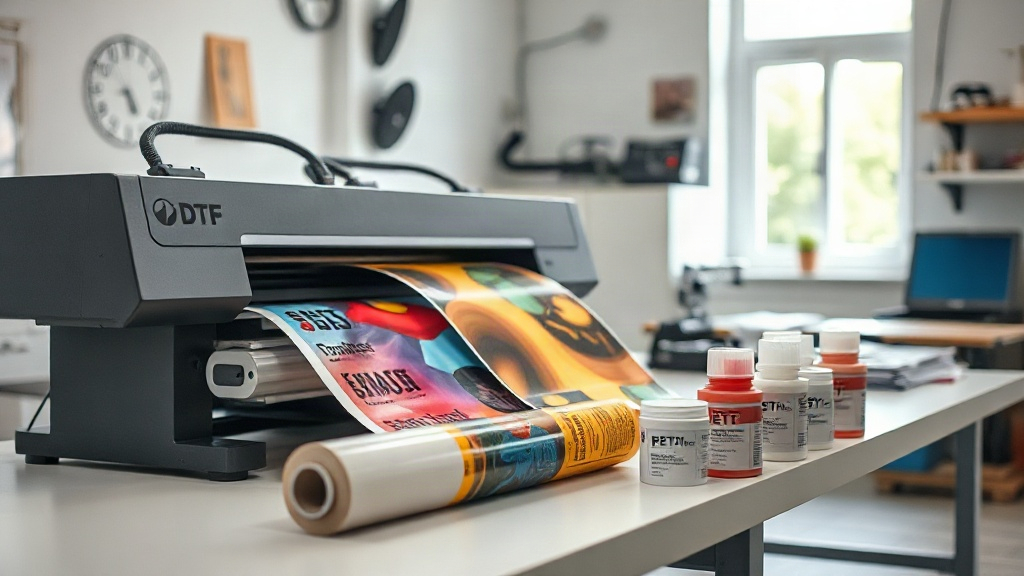
- Printing: Using a DTF printer, the design is printed onto a PET film with special DTF inks. White ink is often used as a base to make colors pop on dark fabrics.
- Powder Application: While the ink is still wet, a hot-melt adhesive powder is applied evenly over the print. Excess powder is shaken off.
- Curing: The film is then cured in an oven or with a heat press to melt the powder, creating a durable adhesive layer.
- Transfer: The film is placed on the fabric and heat-pressed. After cooling, the film is peeled away, leaving the design bonded to the fabric.
Each step requires attention to detail. For instance, insufficient powder can lead to poor adhesion, while over-curing may cause the film to warp. Practice and consistent parameters are key.
Why Choose DTF Printing?
DTF printing stands out for several reasons. First, it works on almost any fabric, including cotton, polyester, nylon, and blends. Unlike DTG (Direct-to-Garment) printing, which often requires pre-treatment and works best on cotton, DTF is more forgiving. Second, DTF prints are highly durable. They resist cracking, peeling, and fading even after multiple washes. Third, the process is efficient: you can print multiple designs on a single film, reducing waste and cost. Finally, DTF transfers can be stored and used later, making them ideal for on-demand production.
DTF vs. Other Printing Methods
How does DTF compare to screen printing, DTG, and vinyl? Screen printing is cost-effective for large orders but requires setup and is limited in color complexity. DTG is great for cotton but struggles with polyester. Vinyl is durable but labor-intensive for multi-color designs. DTF bridges the gap: it handles intricate, multi-color designs on diverse fabrics without extensive setup. For small businesses and custom orders, DTF offers flexibility that other methods can't match.
Applications of DTF Printing
The versatility of DTF printing opens up numerous applications. It's widely used for custom t-shirts, hoodies, tote bags, and even shoes. Because the prints are stretchable, they work well on performance wear and athletic jerseys. Additionally, DTF transfers can be applied to canvas, denim, and leather, making them suitable for accessories and home décor. If you're running a print-on-demand shop, DTF allows you to offer a wide range of products without holding inventory.
Getting Started with DTF Printing
Ready to dive into DTF printing? Here's what you need:
- DTF Printer: Options range from entry-level to industrial. Ensure it uses DTF inks and supports white ink.
- DTF Film: Choose quality PET films designed for DTF.
- Adhesive Powder: Typically TPU-based, available in fine or coarse grades.
- Heat Press: A reliable heat press with consistent temperature and pressure.
- Curing Oven: Optional but recommended for professional results.
Start with a small setup and experiment with settings. Join online communities to learn from others' experiences. Remember, DTF printing has a learning curve, but the investment pays off in versatility.
Tips for Perfect DTF Transfers
To achieve flawless DTF transfers, follow these tips:
- Maintain Your Printer: Regular cleaning prevents clogged nozzles, especially with white ink.
- Use Quality Supplies: Cheap film or powder can lead to failures.
- Control Humidity: High humidity affects powder application; aim for 40-60% RH.
- Test Press Settings: Each fabric may require different temperature, pressure, and time. Start with 160°C for 15 seconds, medium pressure.
- Peel Correctly: Wait for the transfer to cool completely before peeling for a matte finish, or peel hot for glossy.
These practices will help you avoid common pitfalls like incomplete transfer or dull colors.
Common Challenges and Solutions
Even seasoned DTF printers face issues. Here are some common problems and how to fix them:
- Faded Prints: Usually due to insufficient pressure or temperature. Increase both gradually.
- Poor Adhesion: Could be from expired powder or inadequate curing. Ensure powder is fresh and cured properly.
- Clogged Printhead: Perform regular maintenance and use a humidifier if needed.
- Color Shifts: Calibrate your printer and use ICC profiles for accurate colors.
With patience and troubleshooting, you can overcome these hurdles and produce consistent results.
Frequently Asked Questions About DTF Printing
How long do DTF prints last?
DTF prints are known for their durability. With proper washing (inside out, cold water, no bleach), they can last 50+ washes without significant fading or cracking. The key is to follow care instructions and ensure the transfer was applied correctly.
Can I use DTF on dark fabrics?
Absolutely. DTF printing excels on dark fabrics because the white ink base provides opacity, making colors vibrant. This is a major advantage over DTG, which may require multiple passes on darks.
What fabrics work best with DTF?
DTF adheres well to cotton, polyester, blends, and even nylon and leather. However, fabrics with a high silicone content or water-repellent coatings may require special treatment or may not work at all.
Is DTF printing cost-effective for small batches?
Yes. Unlike screen printing, which has setup costs per color, DTF has minimal setup. You can print one-off designs or small batches without breaking the bank. The cost per print decreases with volume, but it's still affordable for short runs.
Do I need a special printer for DTF?
You need a printer that supports DTF inks, typically a modified inkjet printer with a white ink channel. Some manufacturers offer dedicated DTF printers. Alternatively, you can convert an existing printer with a DTF kit, but ensure it's compatible.
Embracing DTF printing can elevate your custom apparel game. Whether you're a crafter or a business, the flexibility and quality of DTF transfers are hard to beat. With the right knowledge and tools, you'll be creating stunning, durable prints in no time.